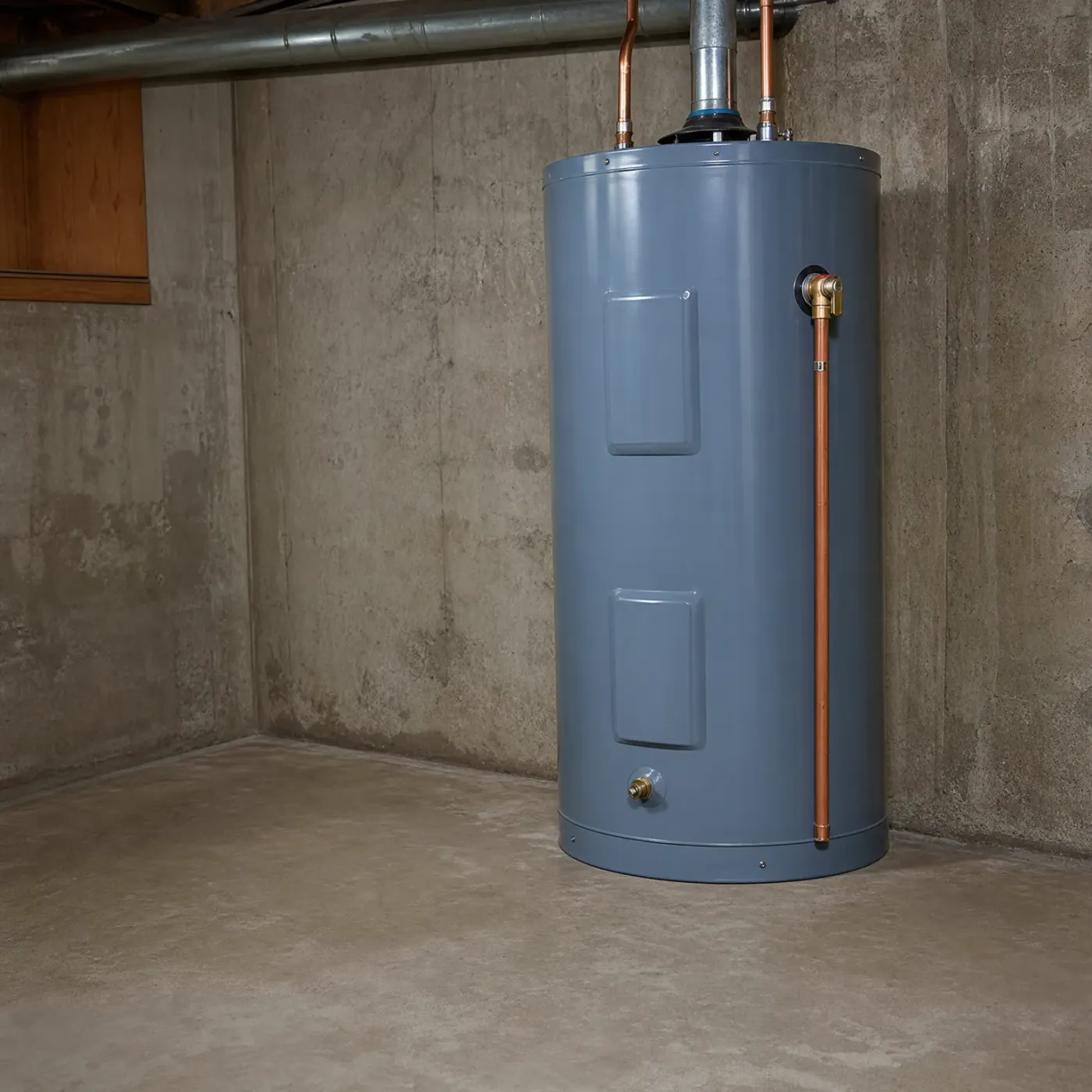
Gas or electric water heater for a Massachusetts home
Send the form and the search for an installer is over.
Most homes in Massachusetts heat water with gas, and there's a reason it stays that way. Electric rates here run among the highest in the country, and a water heater runs every day of the year, not just when summer gets sticky. If your home already has a gas line to the water heater, switching to electric usually costs you more every month to run. If you're on electric now and thinking about gas, that depends on whether a gas line can reach where the water heater sits, and what it takes to vent it properly.
Either way, this isn't a choice to make alone from a search result. A contractor who's been inside homes like yours can tell you what your house can actually support and what each option would mean for your bill, not in general, but for your address.
That's the part most people get stuck on. You'd normally spend an afternoon calling around, explaining your situation to three or four different companies, asking the same questions about gas lines and venting and electric panel capacity, then trying to compare answers that don't quite match up because every contractor frames it differently.
Send the form instead, and that work comes off your plate. You stop being the one who has to track down someone licensed, vet them, and get them to call back. Someone who installs water heaters for a living takes it from there, looks at what your home has to work with, and tells you straight whether gas or electric makes sense for your situation.
You still have a decision ahead of you. But you won't be making it from guesswork, and you won't be the one doing the legwork to find who can help you make it.
If your home has a gas line already running to the water heater, gas is almost always the right call to replace it with. The installation costs more upfront than electric because of the venting and gas connection work involved, but the fuel itself costs less to run every month, and in Massachusetts that gap matters because electric rates here are among the highest in the country. A gas water heater also recovers faster, so a full house doing laundry and showers back to back is less likely to run cold. Electric makes sense mainly when there's no gas line to the house at all, since running one in just for a water heater is a bigger job than the heater itself. If gas already reaches your home, the honest answer is to stay with it.
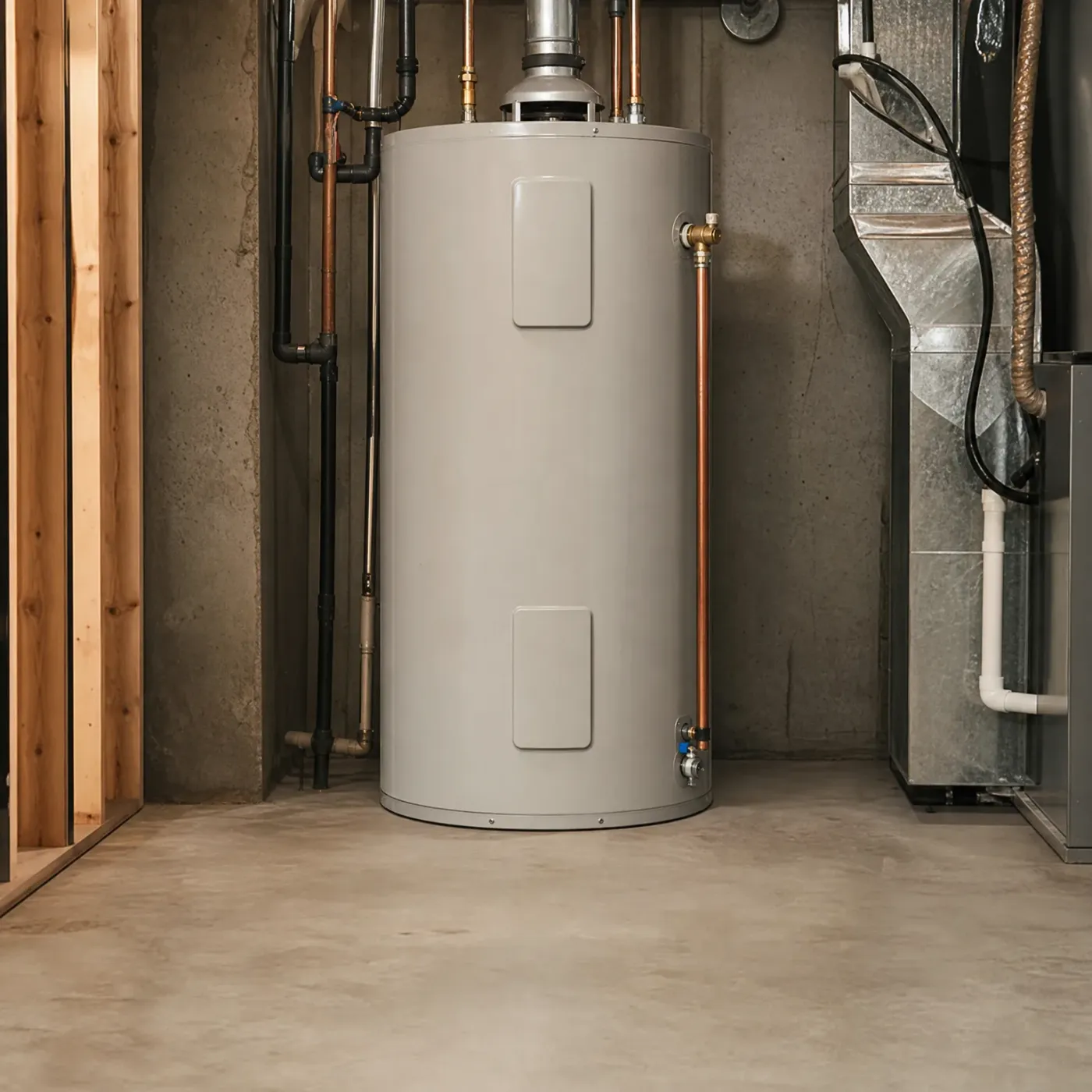
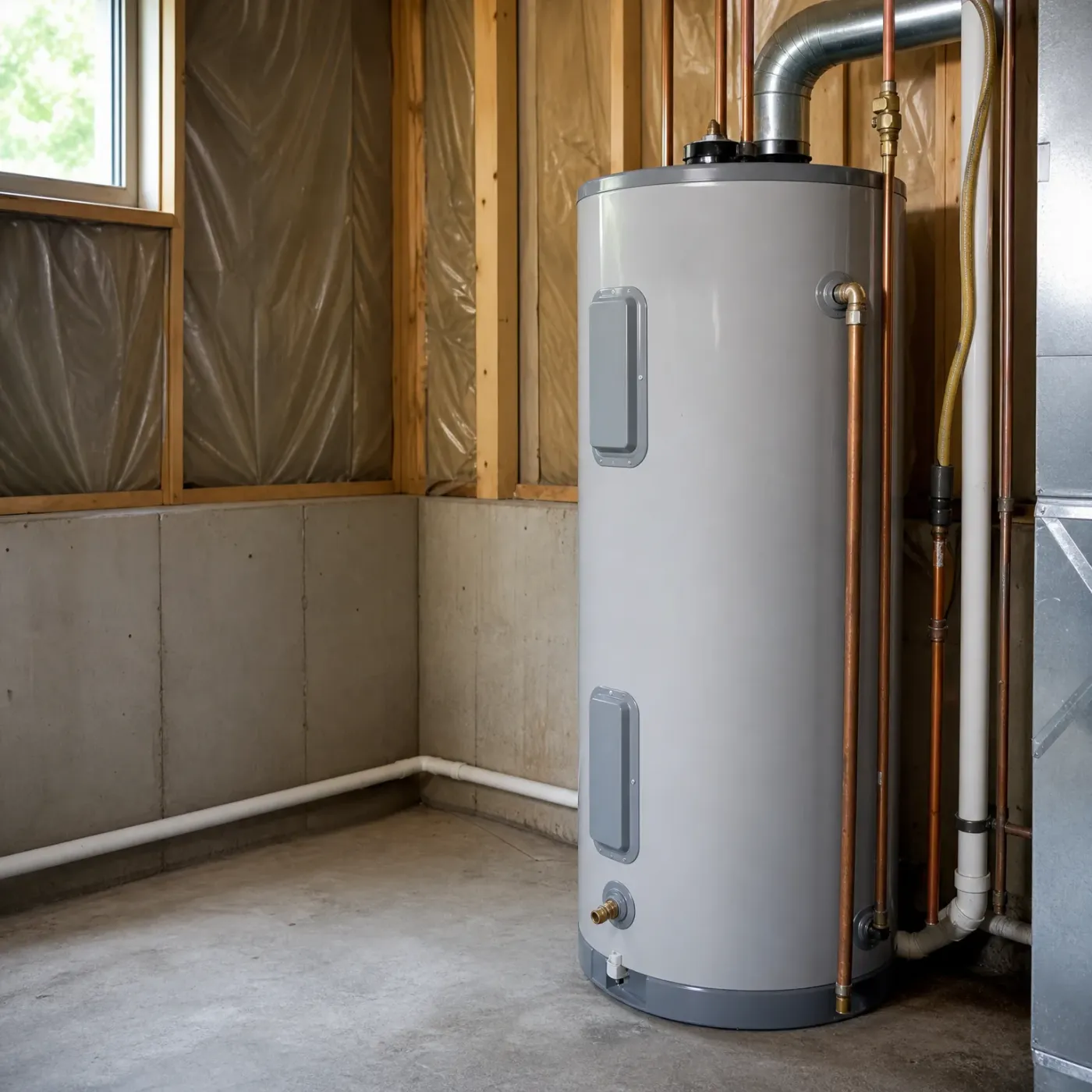
This is a gas water heater with a proper vent and no rust in sight, the kind of setup an installer checks against your home's gas line before swapping anything.
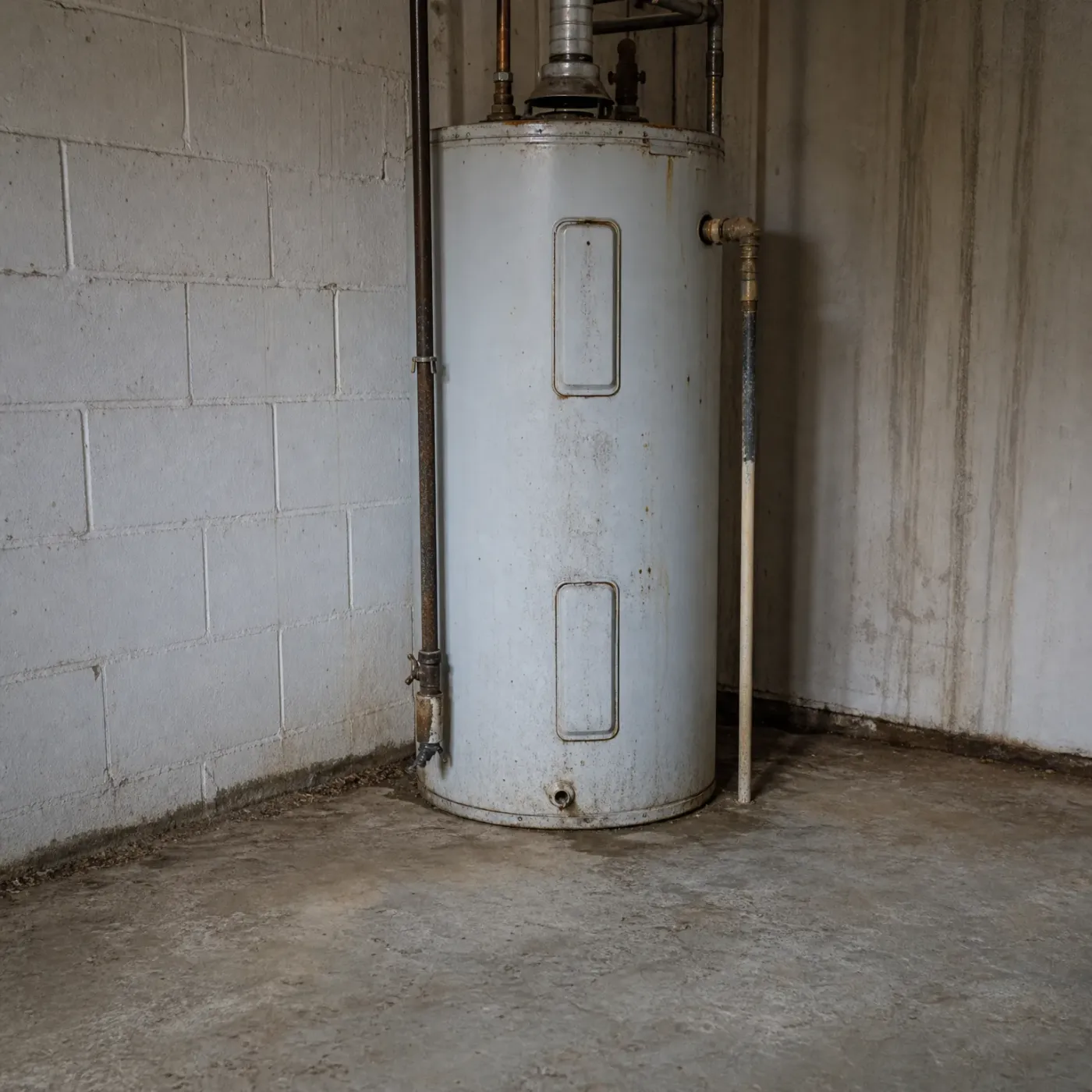
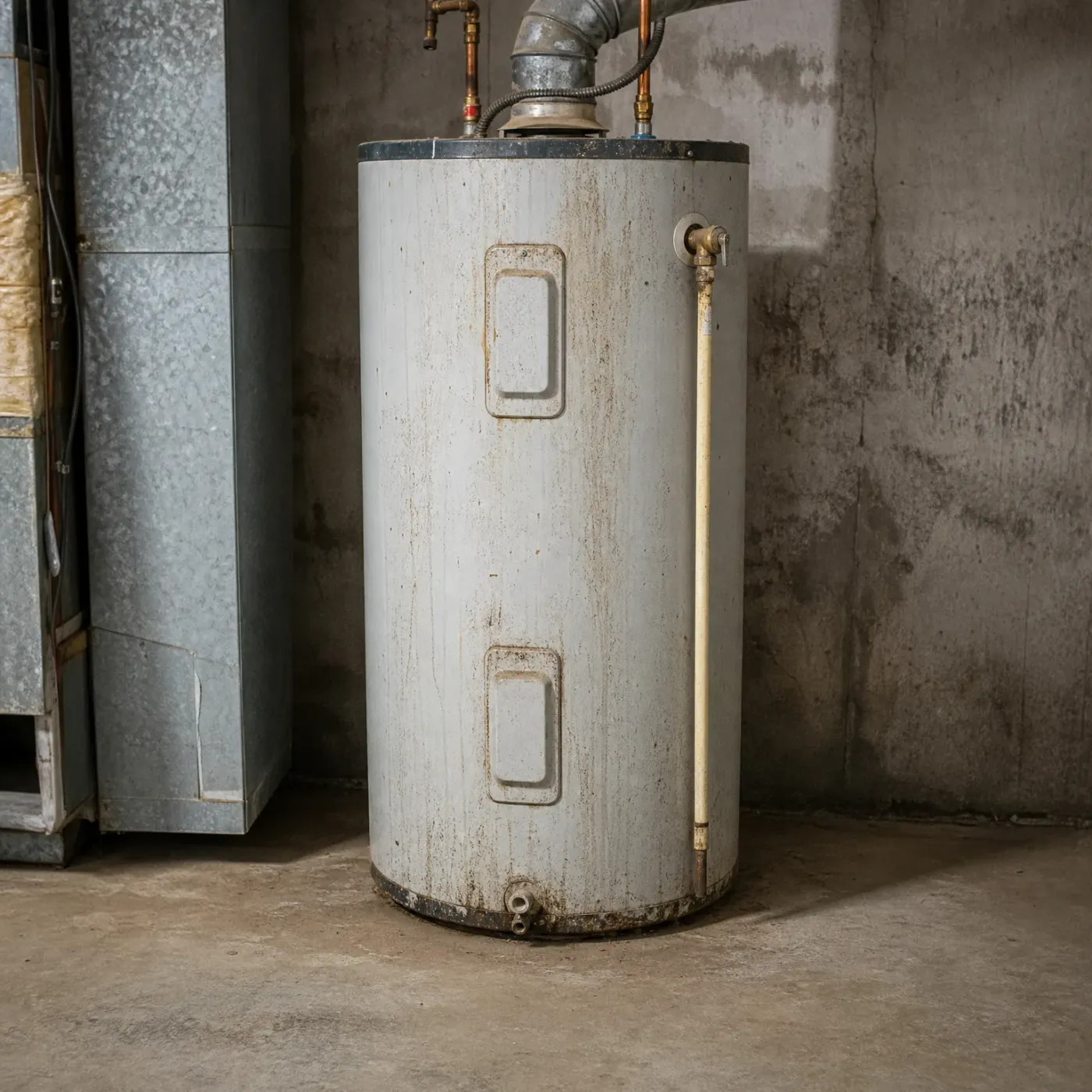
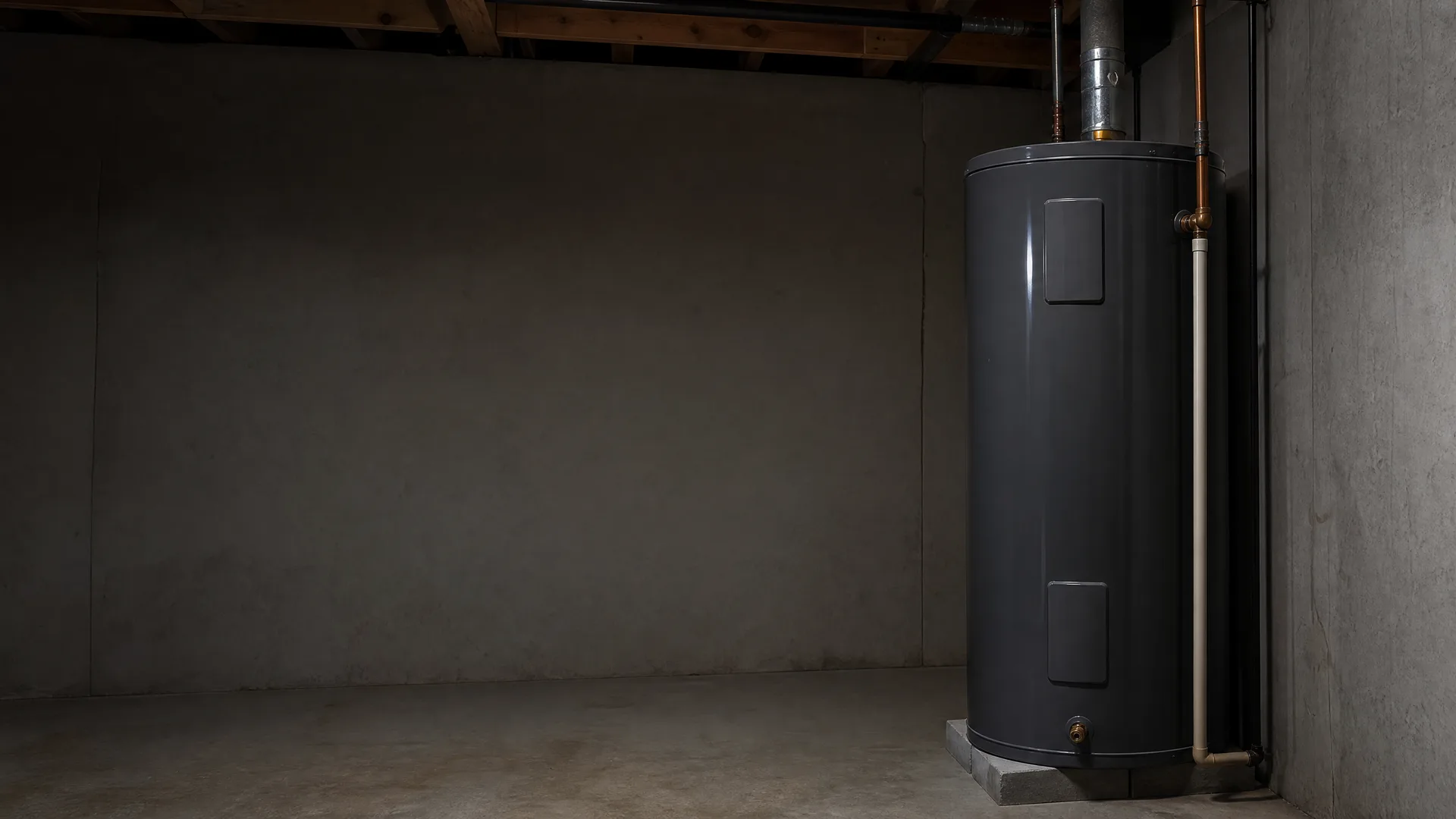
This one's electric, rusted through at the base after years of hard water and age, and a sign the unit is past due for replacement.
1
Gas supply is shut off and the old tank is drained first.
2
The old water heater is disconnected and hauled out of the space.
3
The gas line and vent are checked against the new unit's specs.
4
The new tank is set, connected to gas, water, and the vent.
Gas or Electric: Weighing the Replacement
Gas
Needs a gas line already at the water heater, plus a vent that passes current code before a new tank goes in.
Recovers faster, so a house that runs through hot water back to back gets caught up sooner.
Keeps working through a power outage if it uses a standing pilot, since nothing about that depends on electricity.
Installation runs more because of the venting and gas connection work, but the fuel itself costs less to run here given Massachusetts electric rates.
A flex gas connector and shutoff valve have to meet code, so this isn't a swap a homeowner does alone.
Electric
No gas line or vent needed, which matters if the house never had gas run to that spot.
Installation is simpler and goes in faster since there's no venting to plan around.
Costs more to run month to month, since electric rates in Massachusetts are among the highest in the country.
Still needs power to produce hot water, so an outage means no hot water until it's back.
Works anywhere in the house a water line reaches, since it isn't tied to where gas piping already runs.
Before you get your water heater installationAfter you get your water heater installation
Send one request and you're done looking
Skip collecting and comparing quotes for the new water heater.
Send it once and finding someone is no longer on you.
A gas water heater sends exhaust up through a flue, and that flue has to match the new unit's specs, whether it's an existing metal vent or a new one run through the roof. That check is what an installer does before anything gets swapped, because a vent that's undersized or in the wrong place for the new tank is a code problem, not a preference. It's also most of why gas costs more to install than electric. Electric just needs a dedicated circuit, no vent at all. Once the vent and gas line check out, though, the tank itself usually isn't the expensive part.
Recovery speed is a real difference
A gas burner heats the water in the tank faster than an electric heating element does, which is why a gas water heater catches up quicker when several showers and a load of laundry hit it back to back. An electric tank gets there too, it just takes longer between draws. For most households this only matters on the busiest mornings. The other difference shows up during a power outage: a gas water heater with a standing pilot keeps making hot water with no power at all, while an electric one, and a gas one with an electronic igniter, both wait for the power to come back.
What a gas tank running costs you
A gas water heater draws almost nothing from your electric bill, just the small amount to run the control. The tank itself heats with gas, which costs less here than the electricity a water heater would otherwise pull every single day. You'll notice it most in winter, when your furnace is also burning gas and the water heater adds only a little to that bill instead of stacking a second expensive fuel on top of it. The tradeoff is the vent. If it's old or undersized for the new unit, that gets flagged and corrected before the tank goes in, not after.
What happens if you switch to electric
Pulling the gas line and going electric means every gallon of hot water gets paid for at electric rates, and Massachusetts is one of the more expensive places in the country to do that. You'd notice it on the bill within the first month, not just in summer when the AC is already running hard. An electric tank also recovers slower, so a full house running showers and laundry back to back can catch you with cold water sooner. Unless there's a specific reason the gas line has to go, staying on gas keeps that daily cost where it already is.
51.6% of homes statewide heat with gas
More than half the homes in Massachusetts heat with gas, so if yours is one of them, a gas water heater already has what it needs: a line run to the spot and a vent in place. Replacing it with gas again usually means working with what's already there instead of adding it.
ACS 2020-2024 5-year B25040
Gas replaces gas, and that's usually the right call
If your water heater runs on gas now, putting in another gas unit is the straightforward path. The line and vent are already there, and an installer's job is to check them against the new tank, not build them from nothing. If yours is electric and you're weighing a switch, that's a bigger job, but the fuel costs less here than the power would over the life of the tank.
Either way, the work is the same first step: finding someone licensed to look at your gas line and vent and tell you what the new unit needs. That part is usually the slow part, calling around, explaining the same thing to three different people, waiting on quotes that don't match up. Send the form and that search is off your plate. Someone qualified gets back to you, and from there it's a conversation about your home, not a hunt for who'll even pick up.
Finding a pro stops being your job
Explain the job once and skip repeating it on every call.