
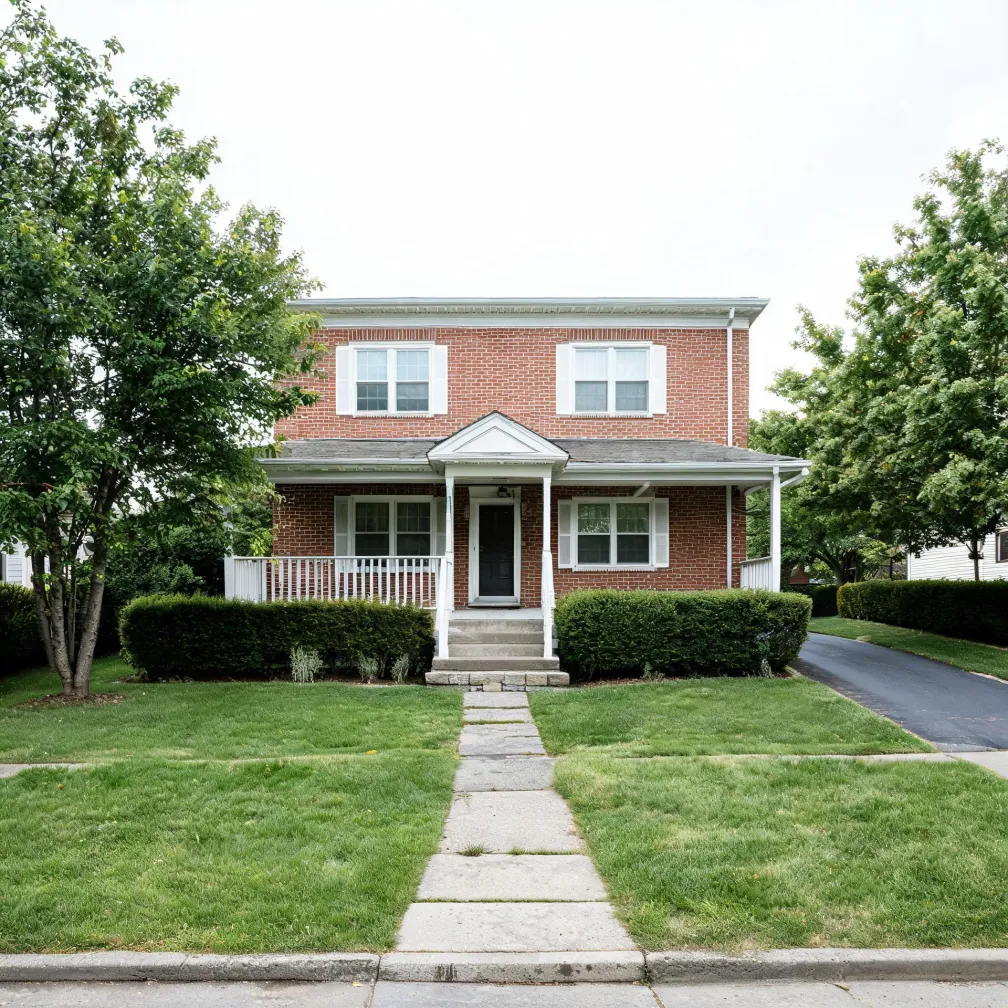
What Massachusetts homes are up against.
NOAA National Centers for Environmental Information, Storm Events Database, bulk CSV export, events 2015-01-01 through 2024-12-31. · U.S. Census Bureau, 2020-2024 American Community Survey 5-Year Estimates

A gas water heater in a Massachusetts home runs on the same fuel the previous one did, and the one before that. Utility gas heats more occupied homes in Massachusetts than any other fuel, at 51.6% (2020-2024 ACS 5-year). That concentration means a contractor quoting a replacement is almost always specifying another gas-fired unit, which makes the venting path, the combustion air supply, and the flue condition at installation directly responsible for how long the new unit holds up. A system dropped in without those checks starts its service life already working against itself.
A quote for water heater replacement starts at the existing installation, not at the catalog. Half the homes in Massachusetts were built in 1964 or earlier (2020-2024 ACS 5-year). That means a contractor walking into a typical Massachusetts home is likely looking at supply lines, venting, and service connections that were sized for equipment built to different specifications, and what is there has to be measured rather than assumed. A panel that has run one tank-style unit for decades may not carry a heat pump water heater without an upgrade. The existing setup tells the contractor what is possible before a unit is ever ordered.
Does Massachusetts weather put extra strain on water heaters?
2015–2024 · Source: NOAA National Centers for Environmental Information, Storm Events Database.
A county with a heavier storm record means the tank and its connections are asked to handle more. Power flickers and outages interrupt the heating cycle, and wind-driven rain can reach a unit vented through an outside wall or sitting in a garage or basement near a window. Have a contractor check the shutoff valve, the venting, and how the unit is anchored or elevated if it sits low.