How long a water heater lasts in Massachusetts

One request ends the search for a water heater installer.

Let a pro reach out

A water heater in Massachusetts lasts about 8 to 12 years. Most homes here run gas water heaters, and the tank itself is usually what gives out first, not the burner or the thermostat. Minerals settle at the bottom of the tank over years, and that sediment eats away at the steel from the inside until it rusts through. You'll usually get some warning: water that takes longer to heat, a rumbling or popping sound as the heater fires, or water with a rusty tint. Once the tank itself starts leaking, there's no repair for that. It's near the end of what tanks of that age can do, and replacement is the only real option left. If your water heater came with the house, it's worth finding out how old it actually is.

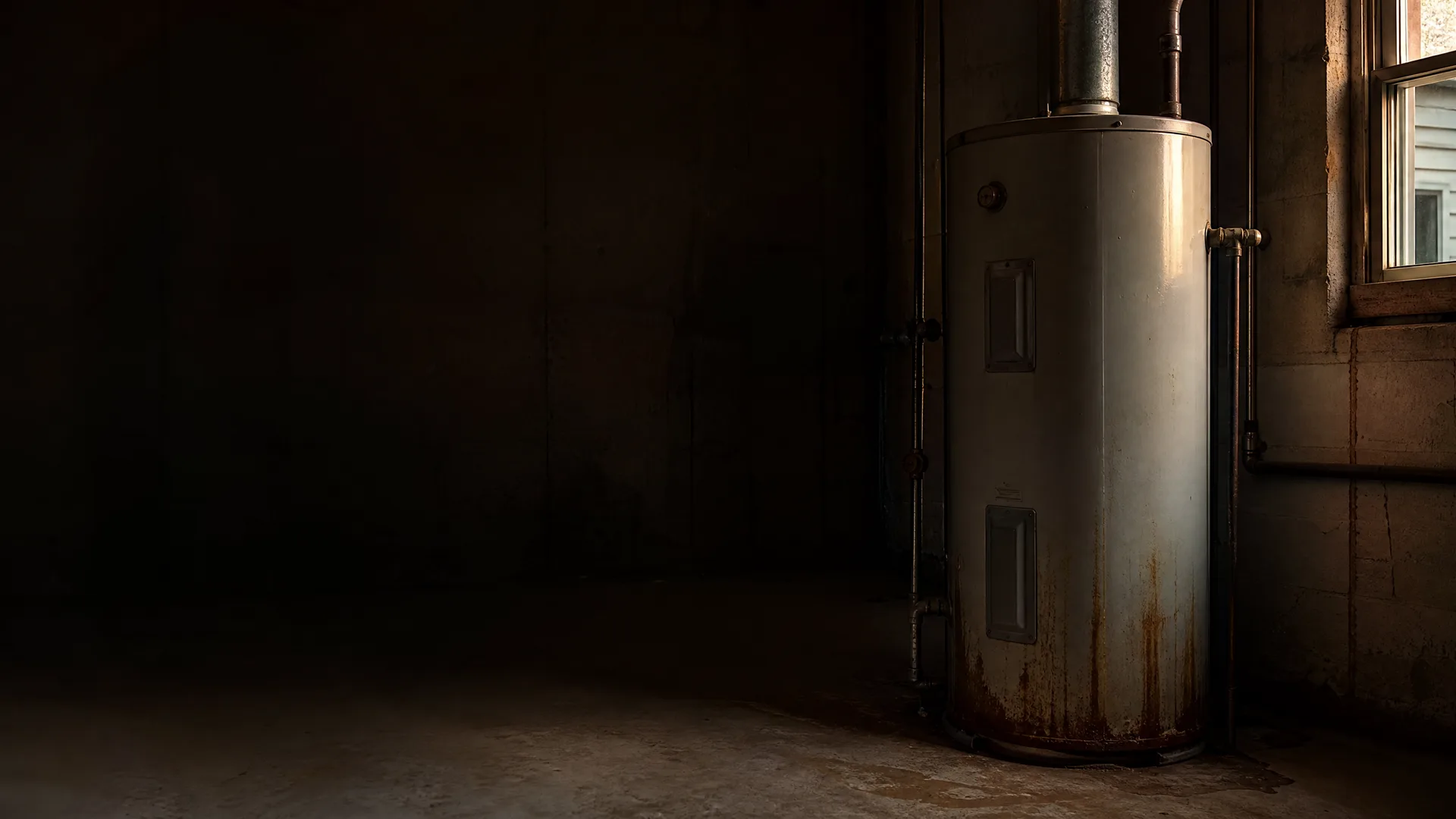
A rusting cylindrical water heater with connected pipes stands against a dim concrete basement wall near a window.

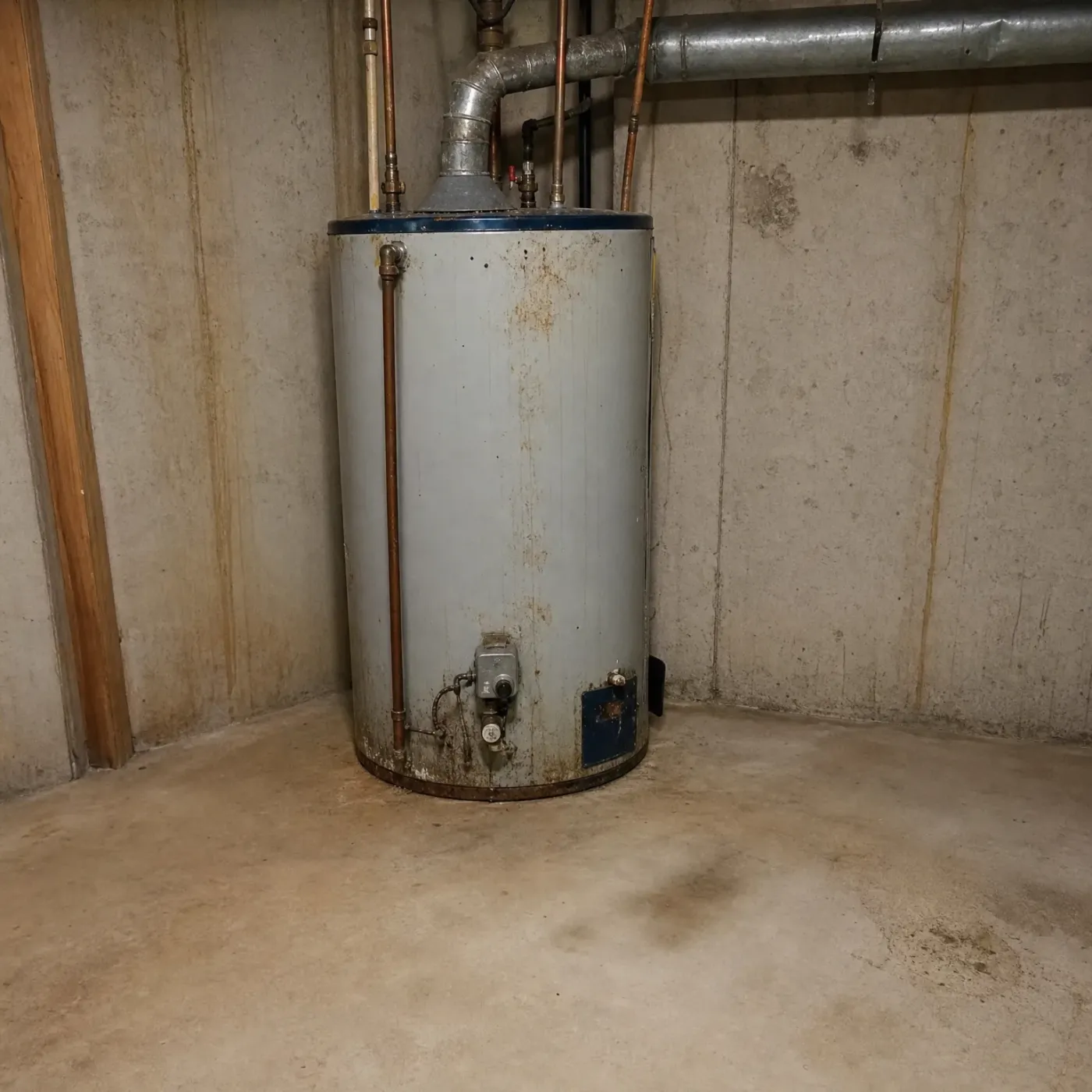
You go down to the utility room after dinner to grab something from the freezer, and the floor by the water heater is wet. It's dark out already, that early winter dark that settles in by six. The tank is old, one your home probably came with, and rust has streaked down the side from under the seams, dried in some spots and fresh in others. You crouch down and touch the base and it's damp all around, not just one drip. You've showered every day this week and never thought about it once. Now you're standing in a cold utility room in your socks, looking at a tank that's been quietly rusting from the inside for years, wondering how long it's been doing this.


What actually fails inside a water heater after all these years?

You've heard the tank just wears out, but you want to know what that means inside the unit itself. Your water heater isn't making noise or acting up, but knowing what actually breaks down helps you tell the difference between something minor and something that means the tank is done for good.

The tank rusts through from the inside

Every tank has a rod inside called the anode rod, and its job is to corrode instead of the steel around it. That rod wears down over years, and once it's gone, the tank itself starts to rust. Sediment from your water supply settles at the bottom too, and it sits against the steel and speeds up the rust underneath it. None of this shows up from the outside until the tank wall gives out and starts to weep or leak. A gas water heater's burner and thermostat can usually be replaced on their own. The tank can't. Once it's rusted through, the whole unit needs to be replaced, not repaired.

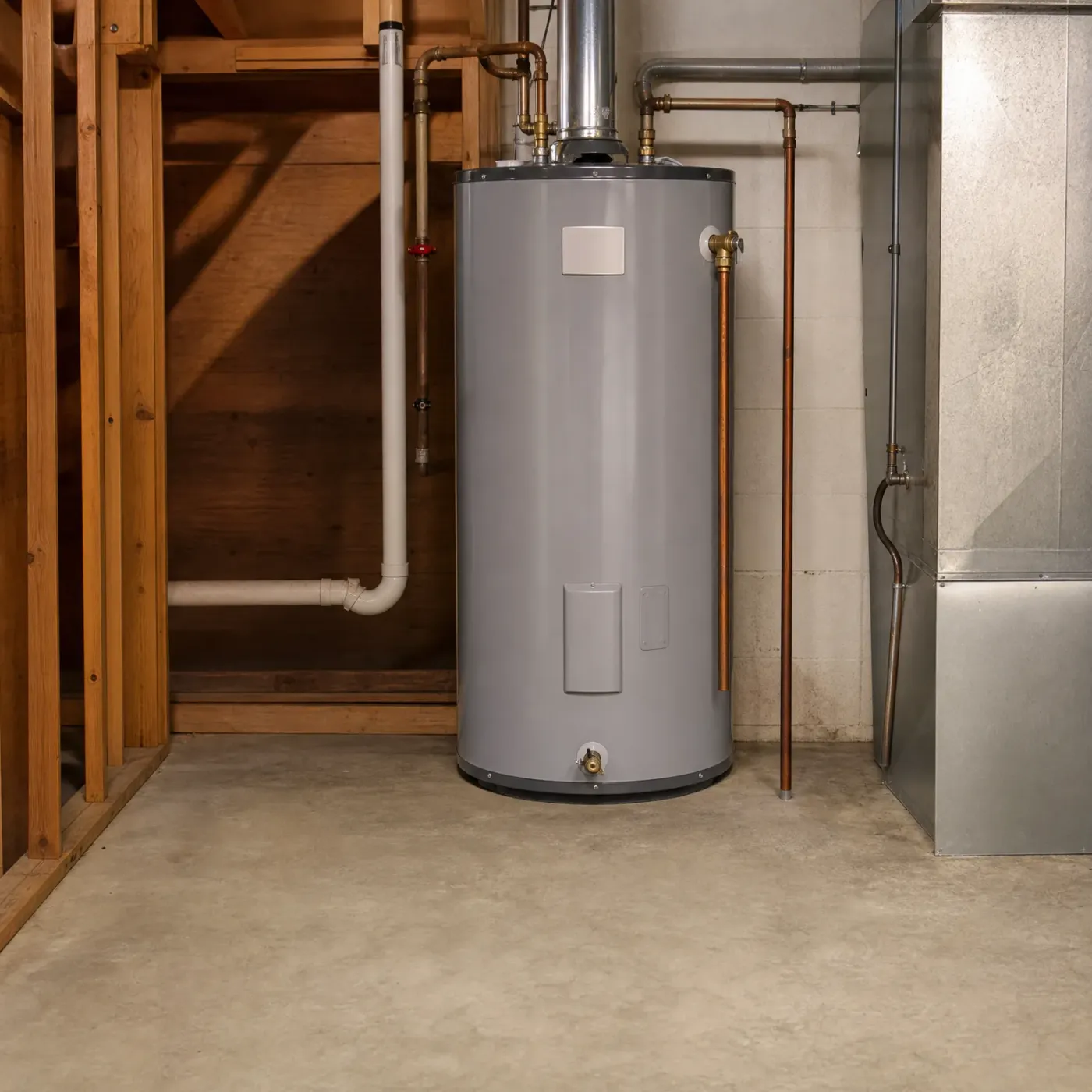
A gray cylindrical water heater stands on a concrete basement floor between an unfinished wood stud wall and a metal furnace duct, with copper and PVC pipes running along the concrete block wall.

Working the way it should

A tank like this holds steady for years when the water isn't too hard and the pressure relief valve still works. The connections stay dry, the pipes show no green or white crust, and the floor around the base stays clean. That's what a water heater with years left looks like.

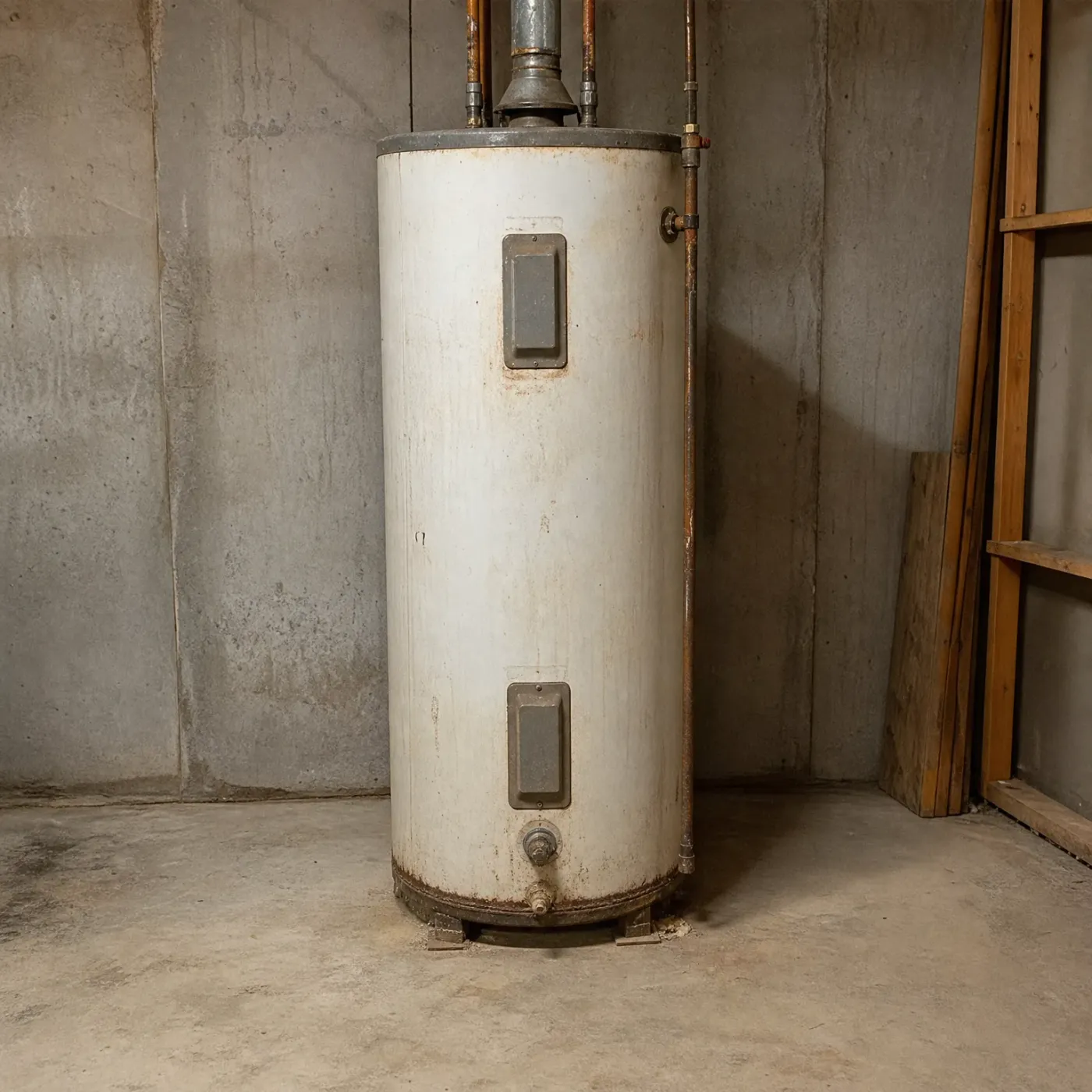
A rusted white cylindrical water heater with two access panels stands in a concrete-walled basement corner, with pipes rising from its top and wooden boards leaning against the wall at right.

Near the end

Rust spreading across the tank like this means the steel underneath is giving way, not just the finish. Once it shows at the seams or around the fittings, the tank can let go without much warning. A unit in this shape is worth replacing before it fails on its own.

Is your water heater trying to tell you something

Check the water around the base of the tank. A damp patch, even a small one, usually means the tank itself has started to fail from the inside, not just a loose fitting. Look at the water coming out of the tap too. Rusty or cloudy water, or a metallic smell, points to the same thing. Listen for a low rumbling or popping when the burner runs. That's sediment shifting at the bottom of the tank, and it means the water heater is working harder to heat the same amount of water. Left alone, a tank that's failing can let go without much warning, and that means a flooded utility room and no hot water for the house until it's replaced.

  1. Sediment settles at the bottom of the tank and builds up for years.

  2. The layer thickens and starts to insulate water from the burner above.

  3. The burner runs longer to heat the same amount of water.

  4. Trapped water under the sediment overheats and the tank begins to rumble.

A woman in a knitted shawl sits in a living room with a fireplace, shelves, a sofa with cushions, and a lamp by a bright window, looking off to the side.
A woman with long brown wavy hair in a green shirt over a white top stands in a living room with built-in white shelves, a ceiling fan, a potted plant and a sliding glass door.
A woman with shoulder-length gray-streaked hair in a light gray knit sweater stands smiling and looking off to the side in a living room with a sofa, houseplant, framed picture, and sunlit sliding glass door.
A woman with shoulder-length curly gray hair wearing a gray knit sweater stands near a window with a sheer curtain, looking to the side, with a blurred interior room behind her.

Let someone else find the pro

A water heater that's past 10 years and already showing rust at the base or warm spots on the floor isn't going to get better on its own. Once the tank itself is failing, the only fix is replacing it, and waiting usually means finding out the hard way, with water on the floor and no hot water until it's sorted. Massachusetts winters run long, and a house without hot water in January isn't something to sit on. Getting a new one in means a contractor who works on these tanks all year, knows what typically needs changing out when a house still has its original unit, and can tell you straight what your situation calls for. Sending the request means that search is off your plate. You're not calling around or waiting on hold. One local contractor gets your information and takes it from there, and you get back to your evening instead of your utility room.

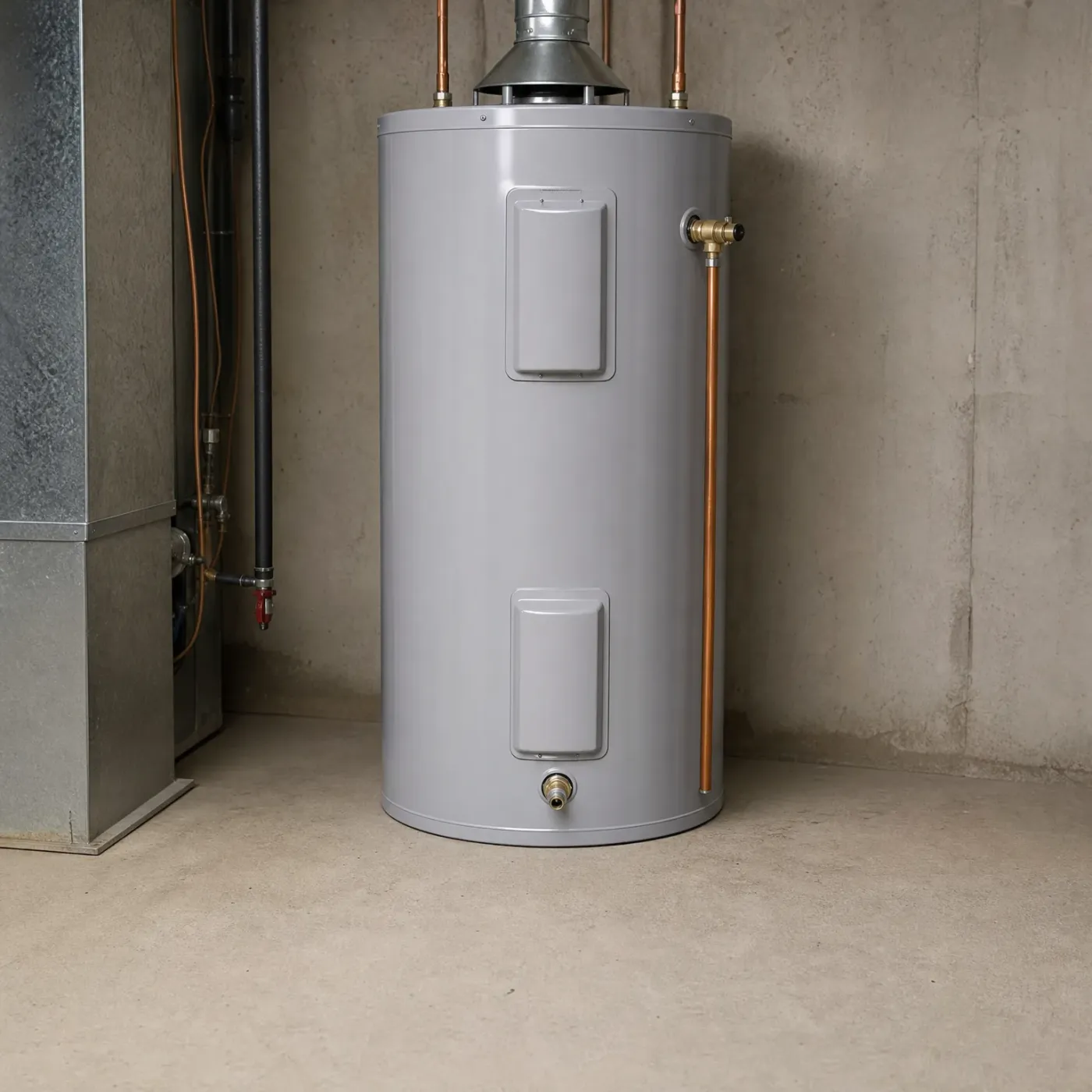
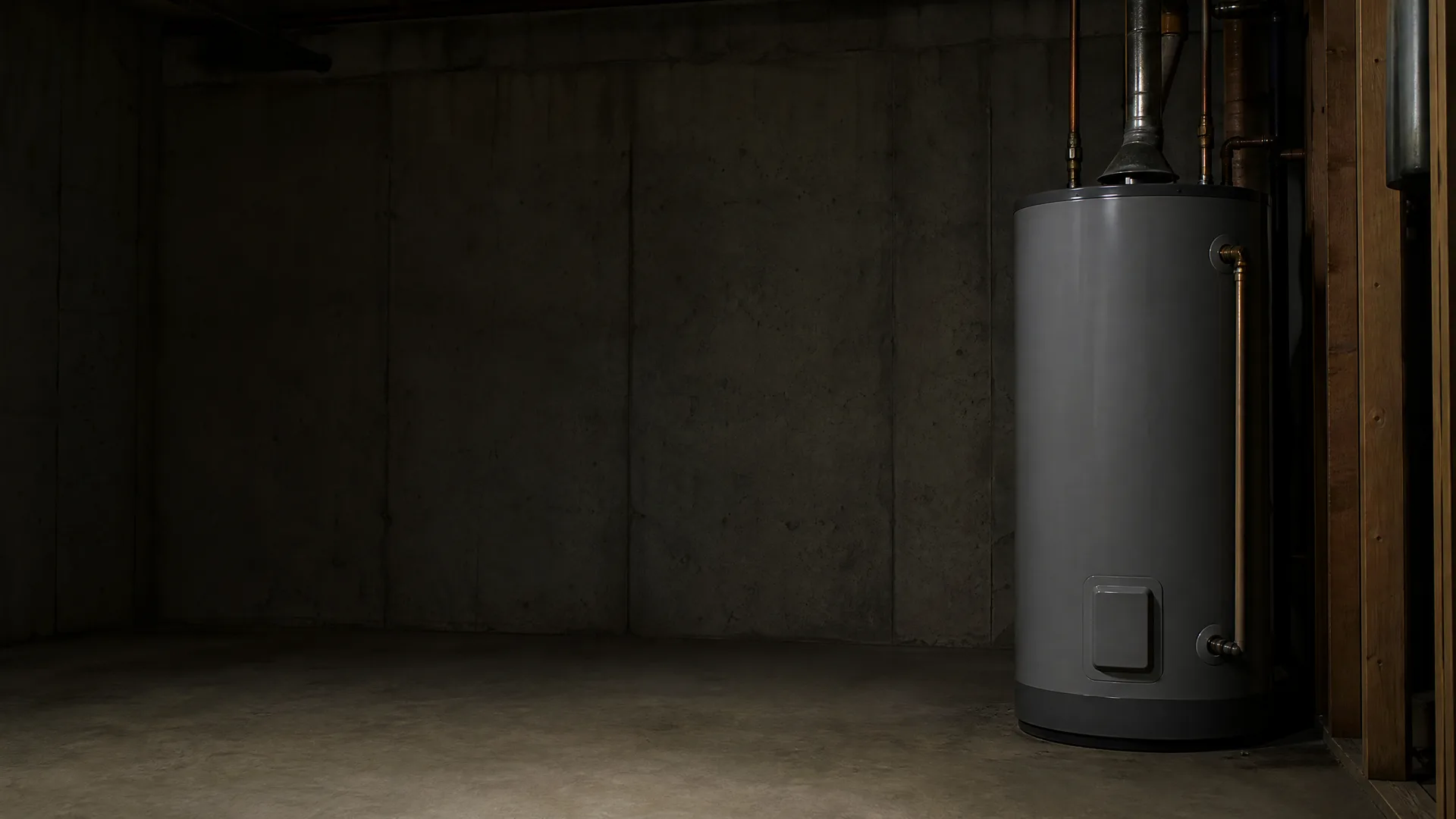
A gray cylindrical water heater with copper piping and a flue stands on a concrete floor in a basement corner beside ductwork and metal equipment.
A tank like this is still sound. The panels are intact, the relief valve has a clear discharge line, and the floor underneath is dry.
An aging gas water heater with rust streaks stands in the corner of a concrete-walled basement, with copper pipes and a metal flue duct running overhead.
This one is done. Rust has eaten through the tank wall and the floor around it, and no repair brings that back.
A woman and a sleeping child wrapped together in a cream knitted blanket on a couch, with a potted plant, framed photo and lit lamp in the background.
A gray-haired woman in a cream knit sweater stands in a dimly lit kitchen at night, looking to her right, with a round loaf of bread in the foreground and a dark window and potted plant behind her.

8 to 12 years

That's the span a gas water heater in Massachusetts typically covers before the tank itself starts to fail. Past that range, rust and sediment are working against you.

Find a local pro

The tank doesn't warn you twice

Once rust reaches the outside of the tank, the next sign is often water on the floor. Replacing it before that point means picking the timing yourself.

Find a local pro

51.6% of homes statewide heat with gas

Most houses in Massachusetts heat water with a gas-fired tank, same as yours probably does. Gas models run the tank hard for a decade or more, which is exactly why that sediment buildup at the bottom matters so much here. When the tank finally gives out, replacing it is a job for someone who installs gas water heaters regularly, not an occasional task.

ACS 2020-2024 5-year B25040

Where Your Water Heater Stands

  • A gas water heater in Massachusetts holds up for about 8 to 12 years before the tank itself starts to fail.
  • Rust at the base, a damp floor, or warm spots nearby mean the tank is already failing, not about to.
  • Past the 10 year mark, sediment and rust work against the tank every day it keeps running.
  • A local plumber who installs these tanks all year knows which brands and setups in Massachusetts homes tend to fail first.
  • Sending one request reaches one licensed local contractor, not a handful of companies competing for the job.
  • Once a tank starts leaking at the seams, replacement is the only fix, so knowing where yours stands now matters.

Eight to twelve years is what a gas water heater gives you in Massachusetts, and the tank is almost always what ends it. Not the burner, not the thermostat. Sediment builds up at the bottom year after year, the tank works harder underneath it, and eventually rust finds a way through the steel. That's the whole story, and it plays out the same way in most homes here.

If yours is still young in that range and dry underneath, there's nothing to do but keep an eye on it. If it's past ten years, or you've already seen rust at the base or a damp spot on the floor, the tank isn't warning you early. It's telling you it's close to done.

When you're ready to replace it, who shows up matters as much as when. A plumber who installs water heaters in Massachusetts homes all year has seen which tanks and setups hold up and which ones fail early, and that's the kind of knowledge that doesn't come from a manual. Send one request and it goes to one licensed local contractor, someone who already knows this equipment, not a pile of companies bidding for your number. You get a straight answer about your tank from someone who installs them for a living, not a sales call.

A gray cylindrical water heater with copper pipes and a metal flue stands against a concrete wall in a dim basement with a bare concrete floor.

Done looking for a water heater pro

Only one pro gets your request, so you hear from one company.

Step 1 of 3: Equipment