Profile view of a bearded man wearing a black baseball cap and a dark gray T-shirt against a plain light background.

Why you run out of hot water fast in Massachusetts

Step 1 of 3: Equipment

You run out of hot water fast because the tank can't recover between uses, and most Massachusetts homes run gas tank water heaters with a set recovery rate. If your tank is sized for a smaller household than what's living there now, or if sediment has built up on the bottom from years of hard use, the burner has to work harder to reheat each gallon, and that slows recovery further. A failing heating element or a thermostat set lower than it should be does the same thing even in a tank that's the right size. The result is the same either way: the shower runs cold after two people instead of four, or the dishwasher takes the last of it. This isn't something that fixes itself, and it usually gets worse as sediment keeps building or the element keeps weakening.

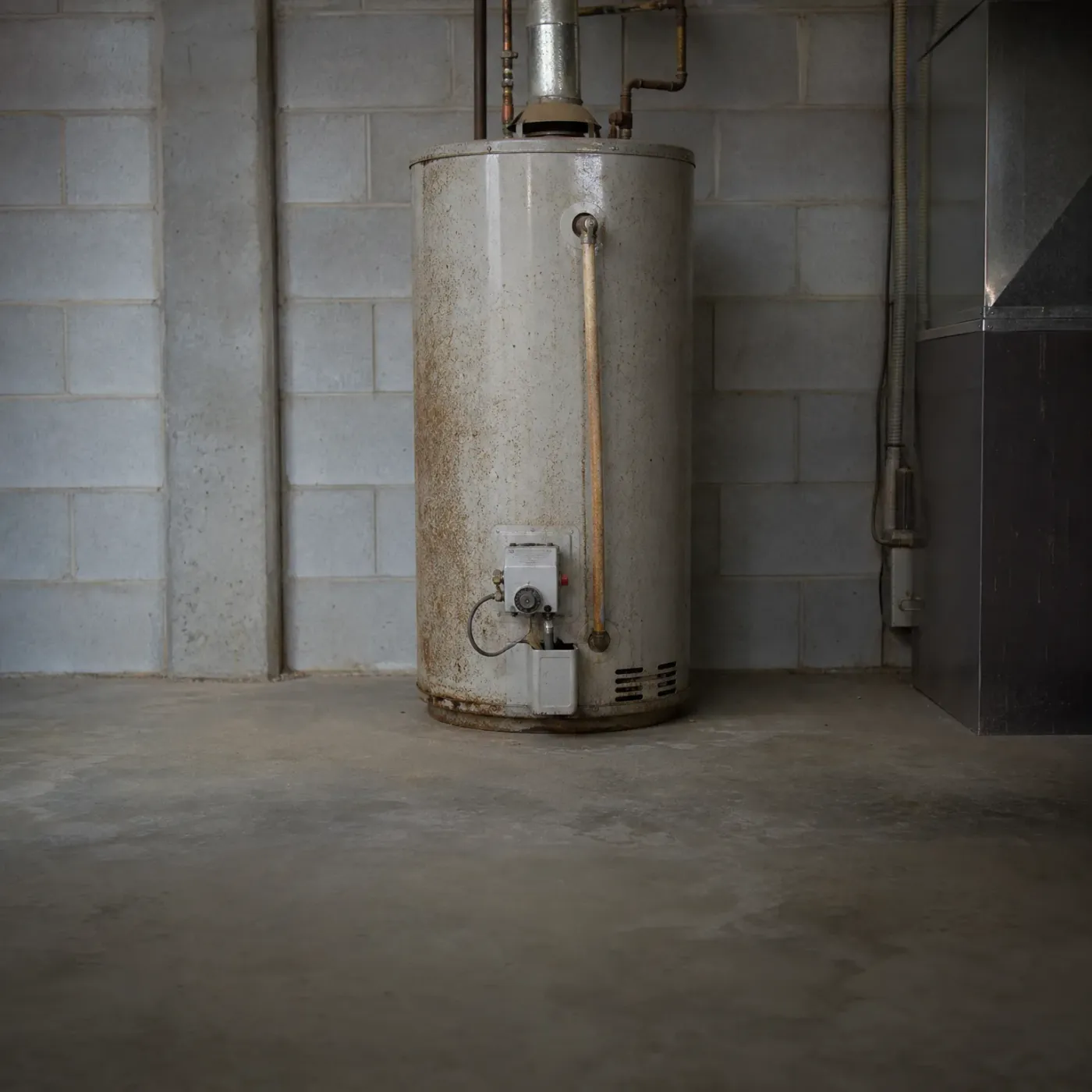
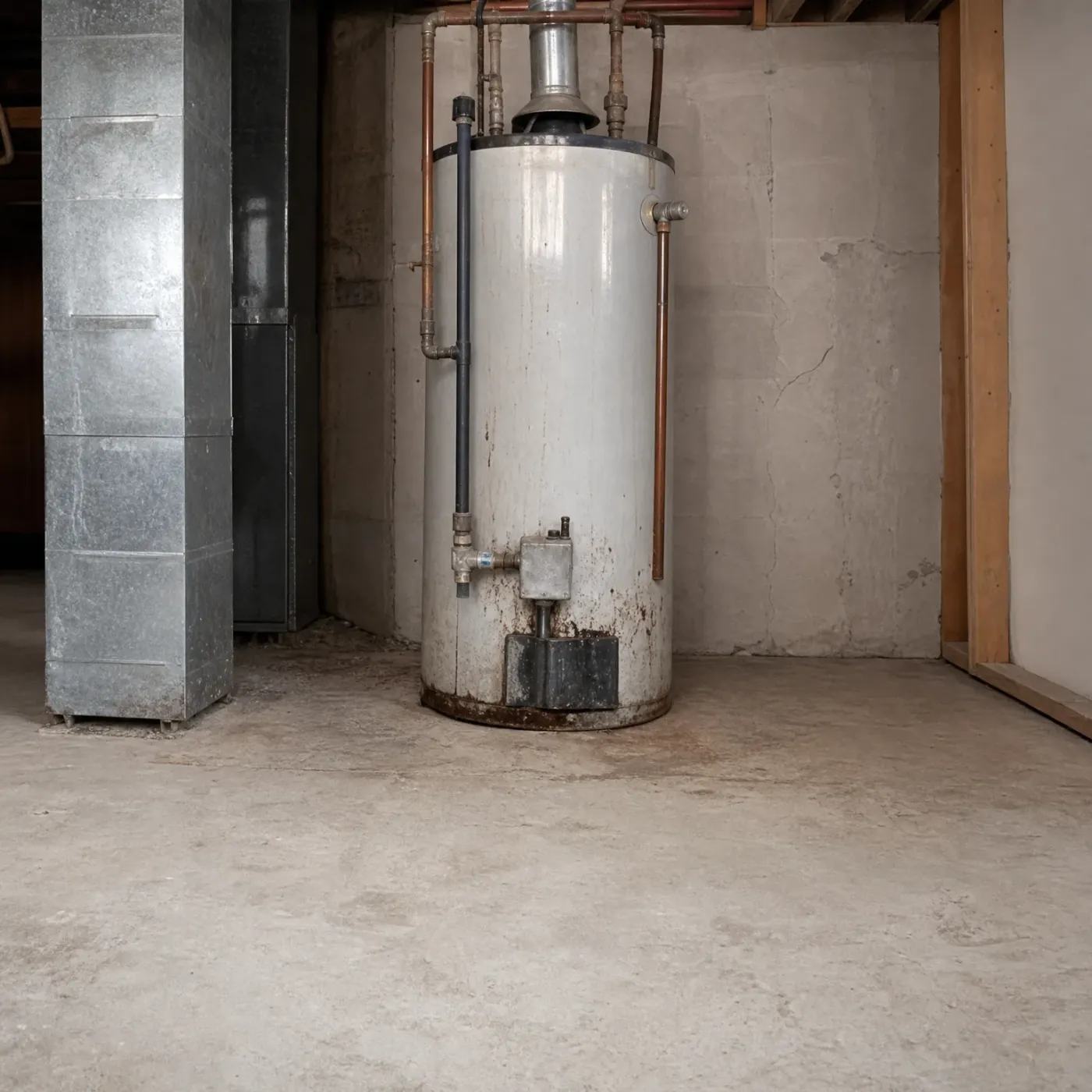
A rusted gas water heater with a flue pipe stands against a concrete block wall on a bare concrete floor, next to a dark metal duct or furnace cabinet at right.
Before you get your water heater repair
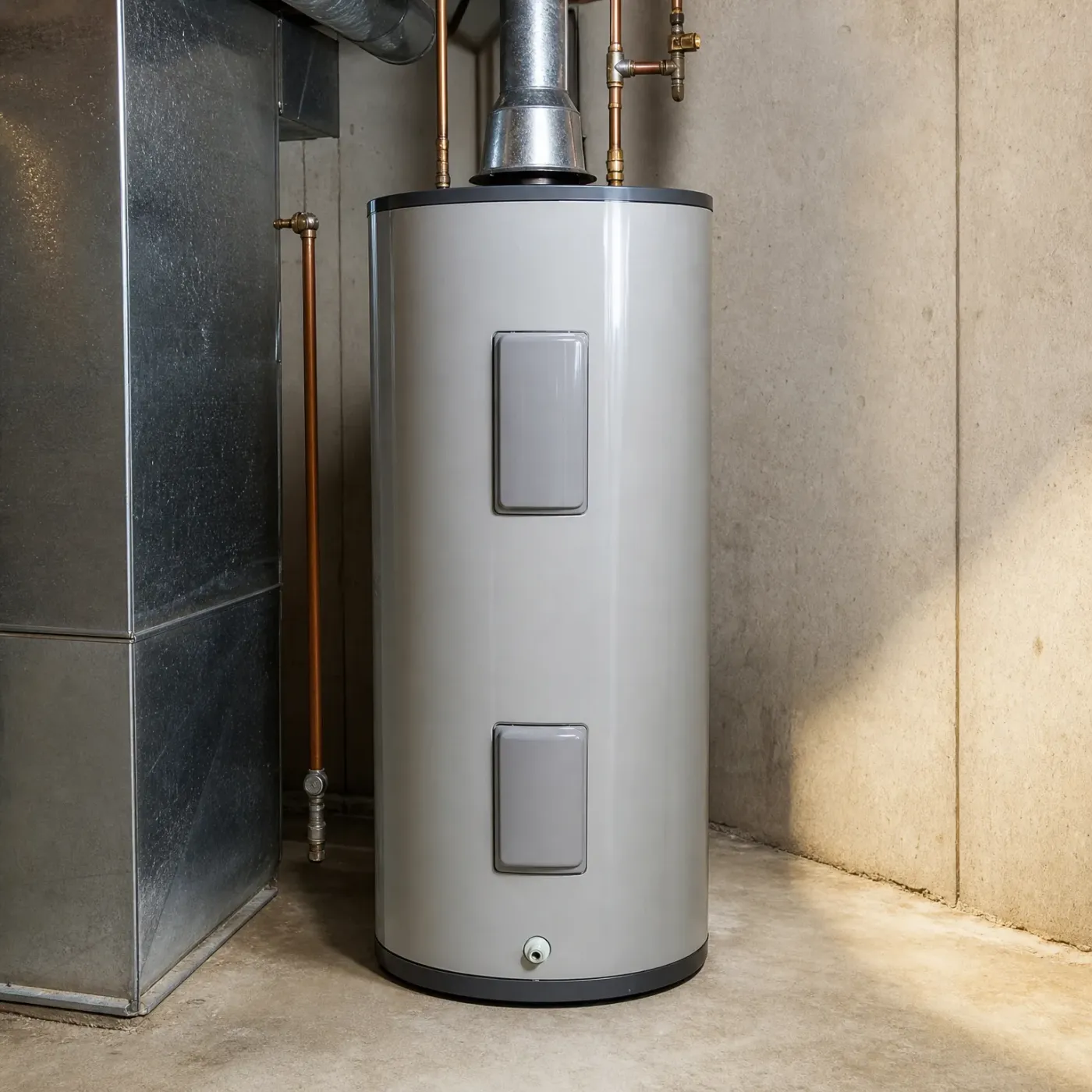
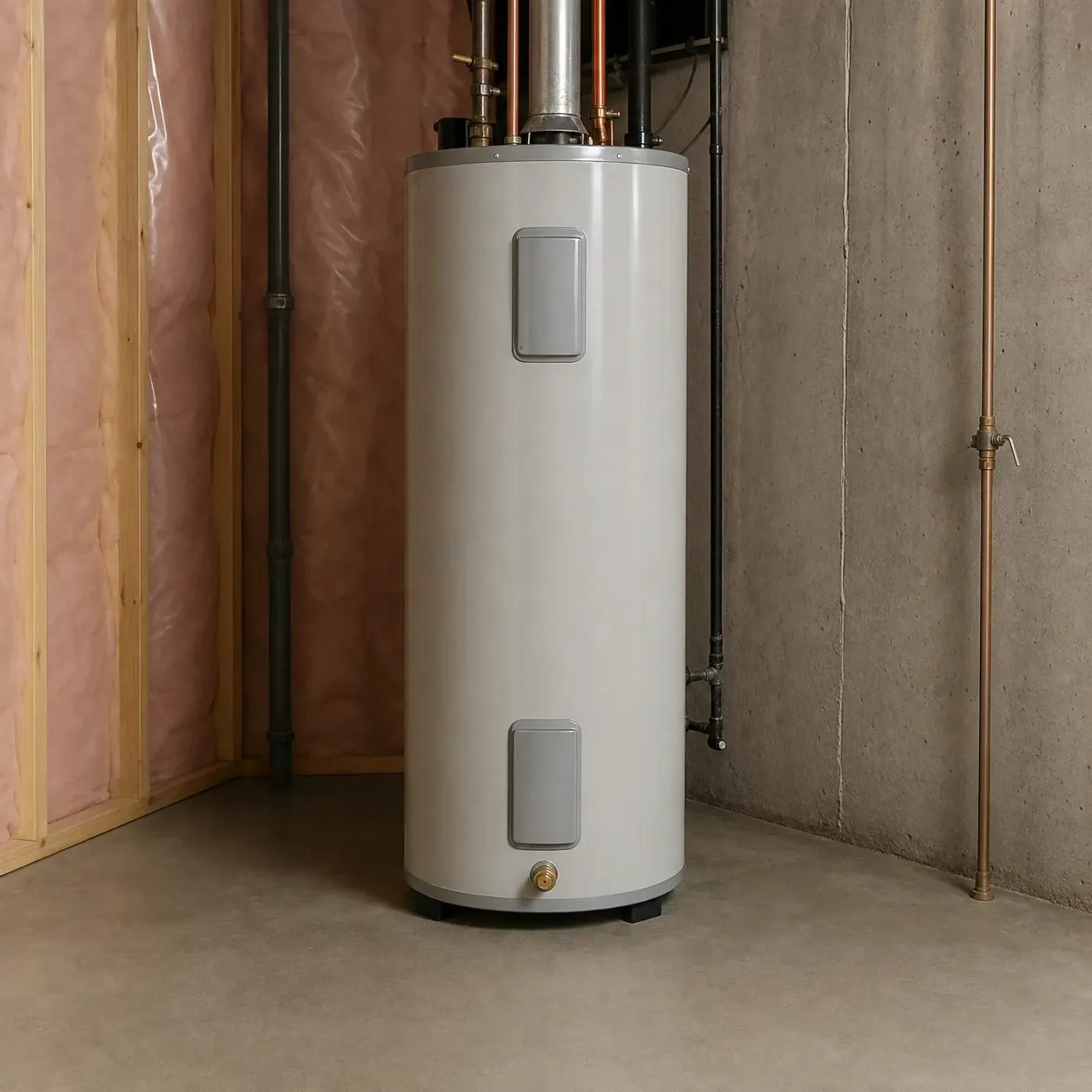
A white cylindrical water heater with two access panels and a brass drain valve stands on a concrete floor in a basement corner, beside a pink-insulated stud wall and a concrete wall with copper and black pipes.
After you get your water heater repair

A gas water heater makes hot water with a burner under the tank, and how fast it catches up depends on that burner, not just how many gallons the tank holds. Sediment collects on the tank bottom over time and sits right between the burner and the water above it, so the burner has to work longer to get the same result. A thermocouple or igniter on its way out can cut the burner off before the tank is fully heated, so you start with less than a full tank even though it looks full. Inside the tank, a dip tube is supposed to carry incoming cold water down to the bottom, but a cracked one lets cold water leak in near the top, right where the hot water draws from. And every fixture pulling from that same tank, a shower, the washing machine, back to back, shortens the time it has to recover before the next draw. Even the thermostat setting plays a part. Set lower than the tank was built for, a full tank can feel half empty by the time it reaches the shower.

What's Actually Slowing Recovery

  • A gas tank heats water through a burner under the tank, so recovery depends on burner size, not just tank capacity.
  • Sediment settling on the bottom of the tank sits between the burner's heat and the water, so the burner runs longer to do the same job.
  • A thermocouple or igniter that's starting to fail can let the burner shut off early, cutting a full tank down to a partial one.
  • The dip tube sends cold water to the bottom of the tank, and a cracked one lets cold water mix in near the top where the hot water draws from.
  • Showers and the washing machine pull from the same tank, so recovery time between back to back uses only gets shorter with every added demand.
  • A thermostat set lower than the tank was built for will make a full tank feel half empty by the time it reaches the shower.
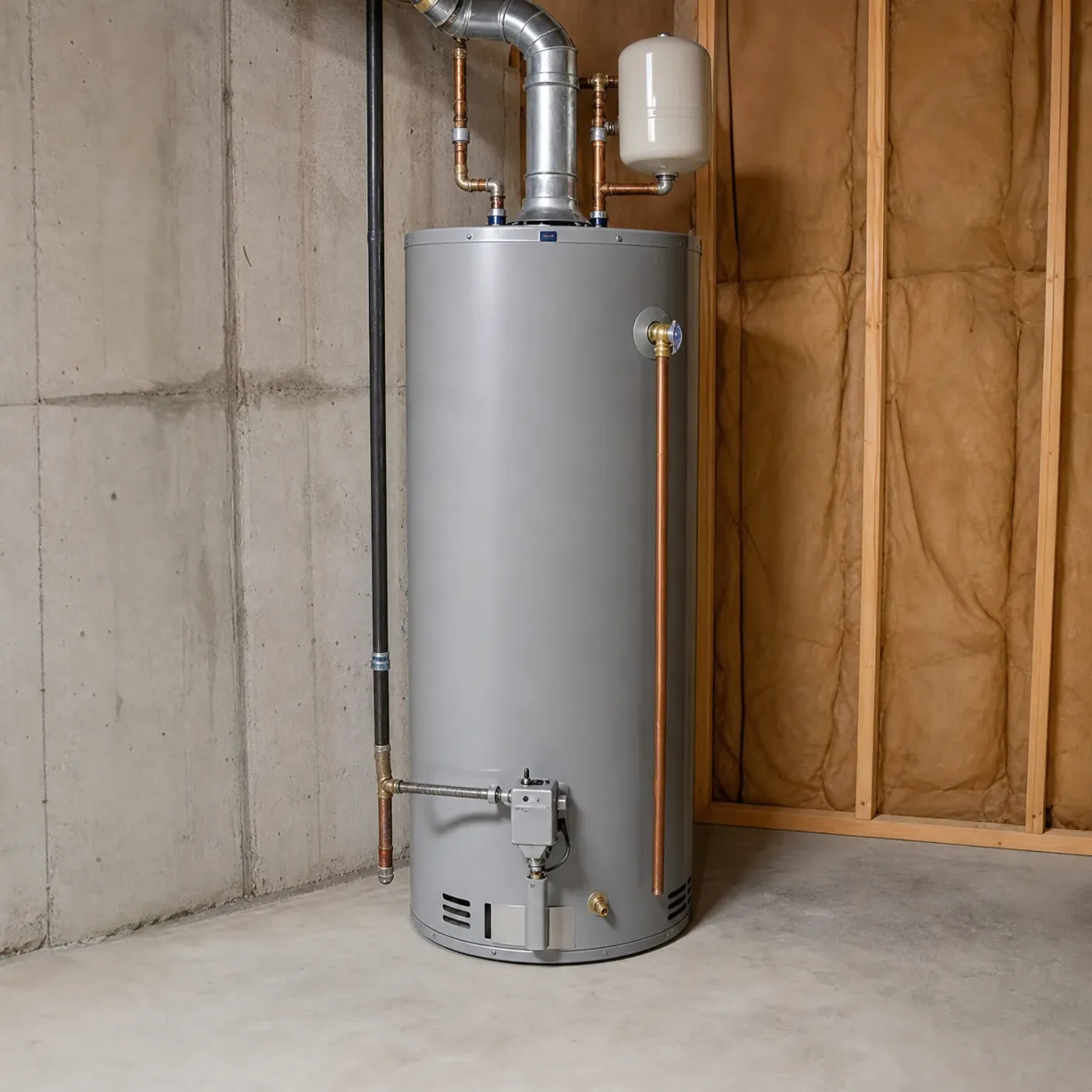
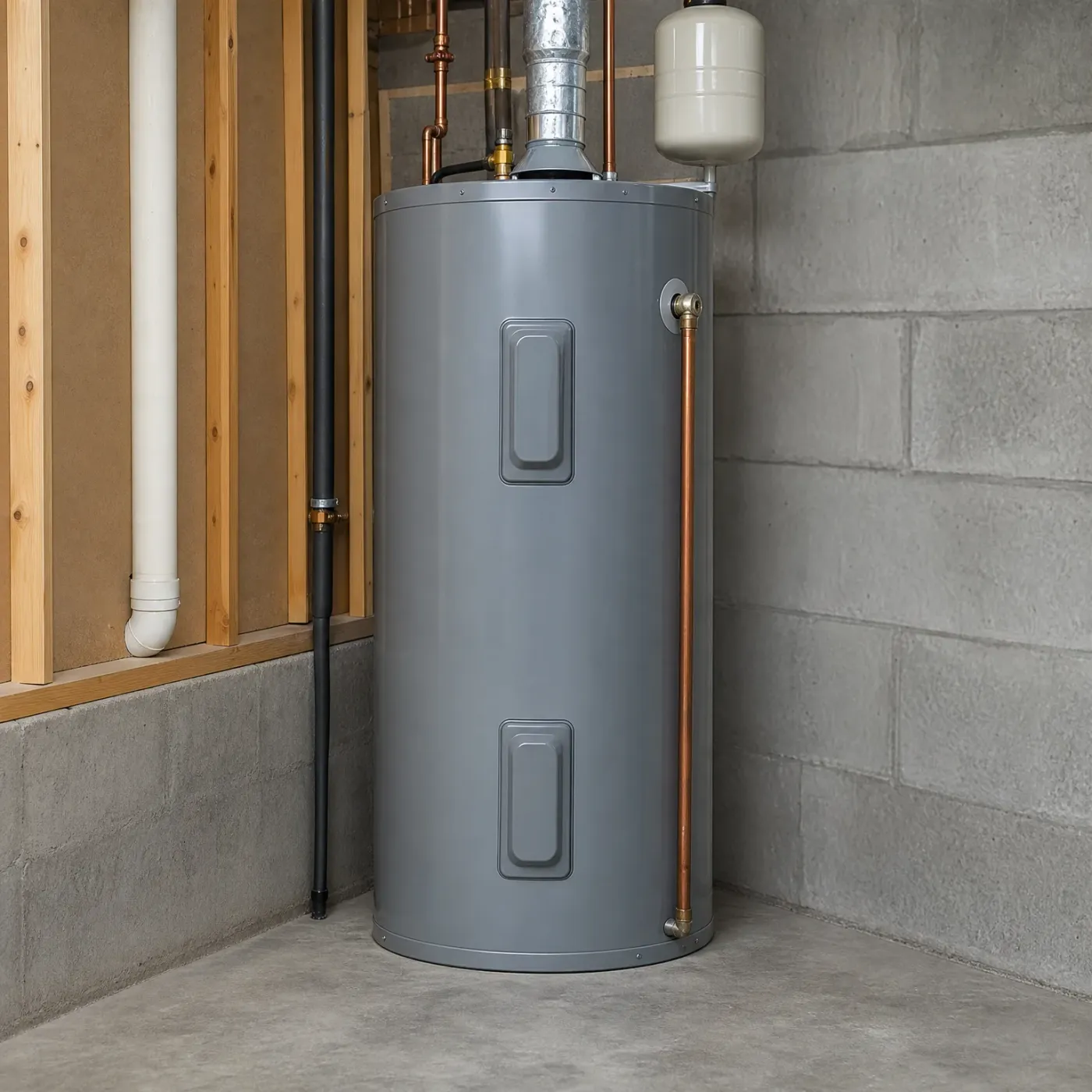
A gray cylindrical water heater with copper piping and an expansion tank stands in a basement corner beside a concrete block wall and exposed wood framing.
A properly working tank like this recovers on schedule, so hot water keeps pace through back-to-back showers.
An old rusting cylindrical gas water heater with copper and steel pipes and a flue stands against a concrete basement wall beside metal ductwork on a bare concrete floor.
Rust and mineral buildup like this cut capacity and slow recovery, which is why the tank runs out faster than it used to.

Sediment or a Tank That's Too Small

Sediment buildup

  • Minerals in the water settle to the bottom of the tank and harden into a layer that insulates the water from the burner.
  • The burner has to run longer to push heat through that layer, so recovery between showers slows down.
  • A tank with heavy sediment can lose several gallons of usable capacity even though the tank size hasn't changed.
  • Flushing the tank on a schedule keeps that layer from building up in the first place.
  • Once the layer hardens, flushing it out gets harder and sometimes doesn't fully clear it.

Undersized tank

  • A tank sized for the household that lived there when it was installed may not match how many people use hot water now.
  • More showers, more loads of laundry, and more dishes in a given hour all draw down the same tank.
  • A gas tank's recovery rate is fixed by its burner, so a bigger household just runs the tank harder, not faster.
  • Back-to-back showers in the morning are the clearest sign the tank can't keep up with current demand.
  • Swapping to a larger tank or a higher recovery rate burner changes the math; nothing else does.
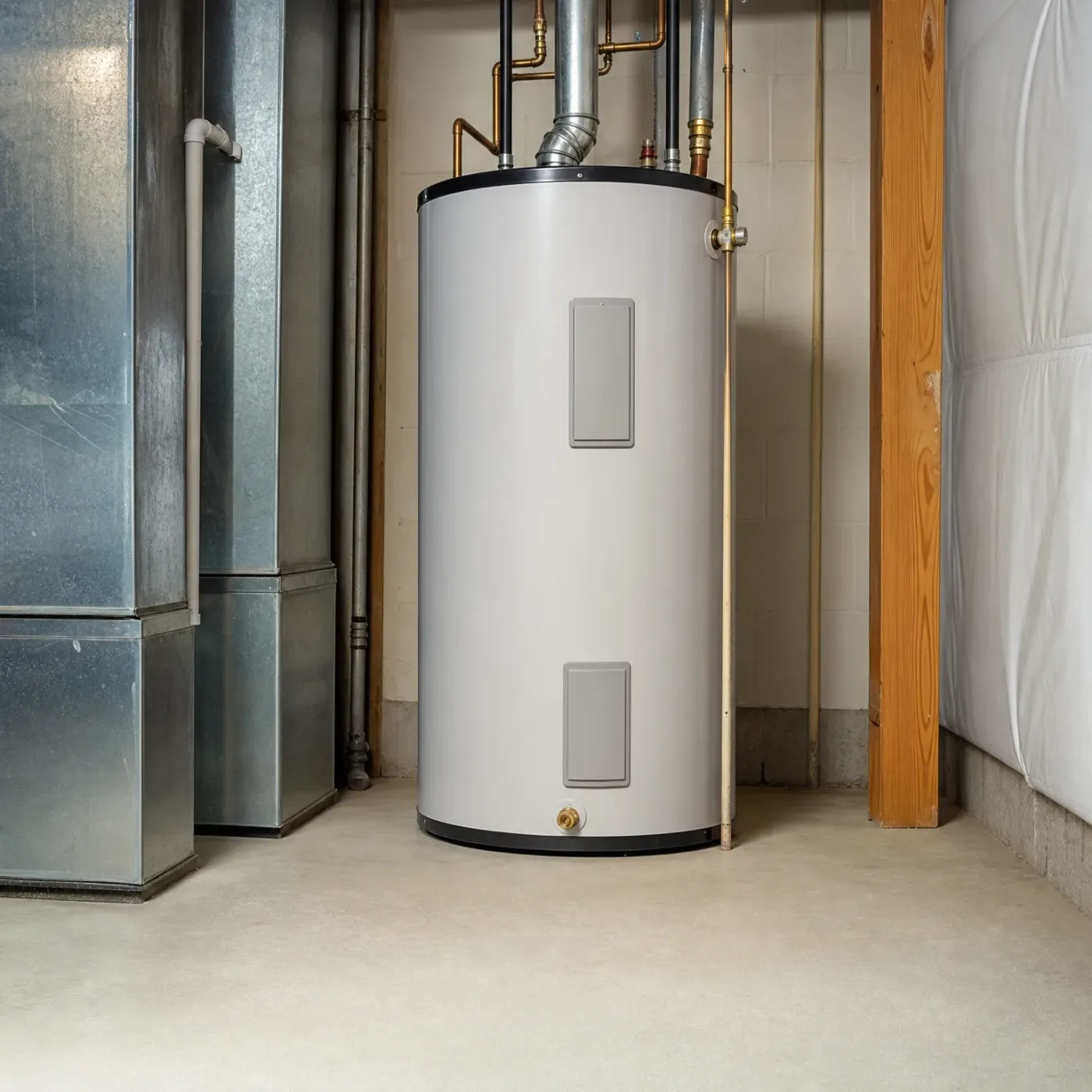
A white cylindrical water heater with two access panels stands on a concrete floor in a basement corner, beside galvanized ductwork, copper and metal pipes, a wooden post, and a concrete block wall.

Working the way it should

This tank is doing its job. The panels, the drain valve, the copper and galvanized lines at the top all tie in clean, and the burner can push heat through the water without a sediment layer slowing it down. Recovery stays on schedule.
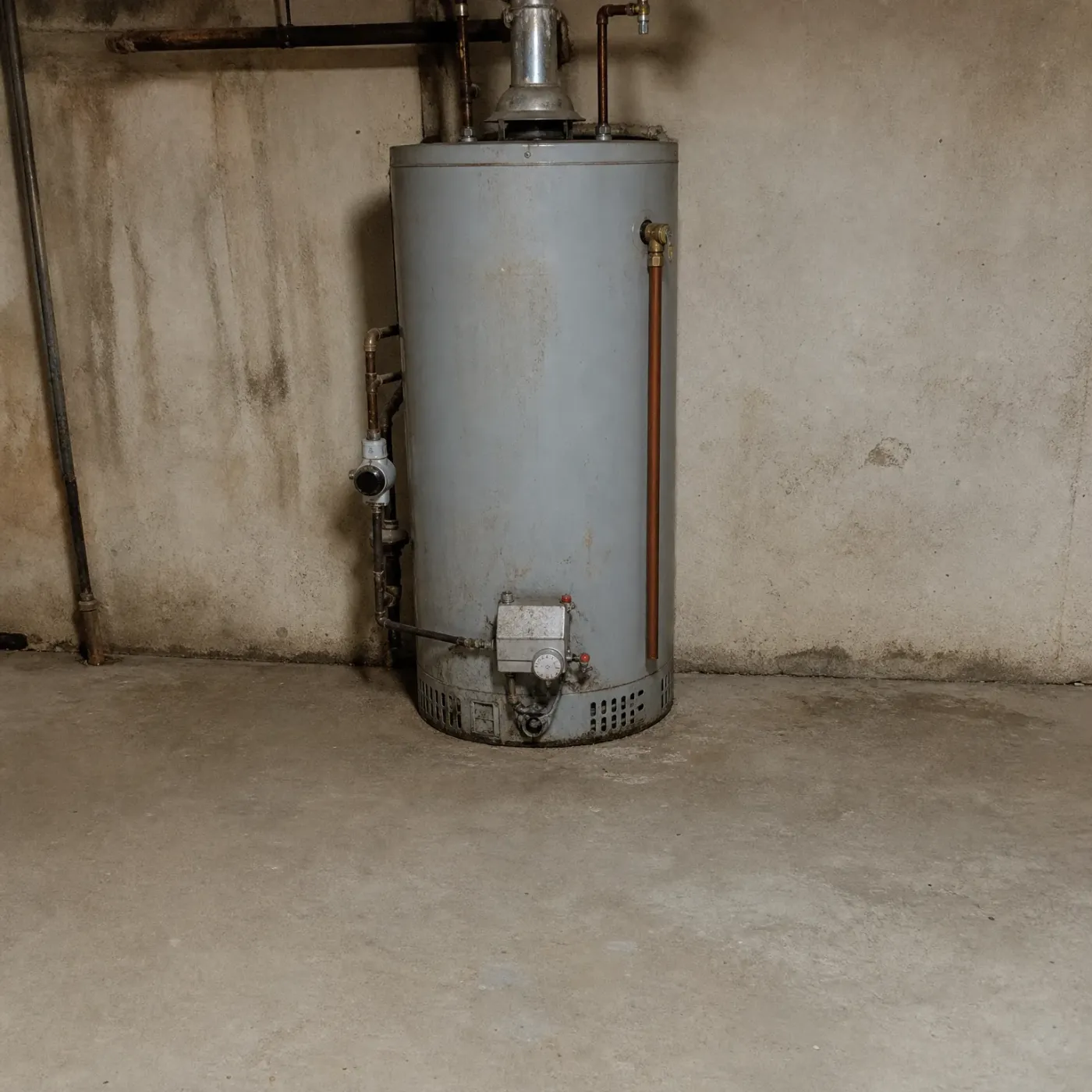

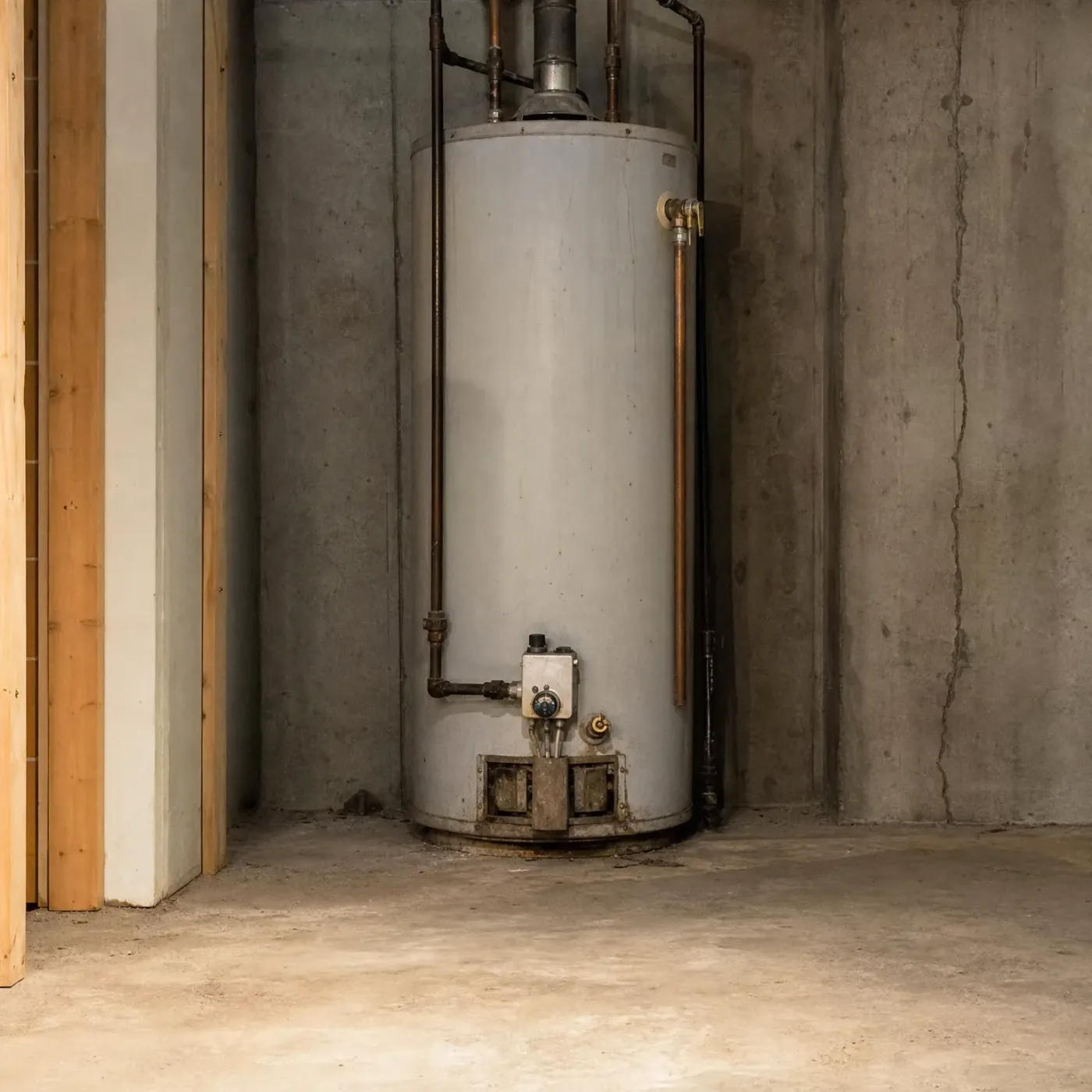
An older gray cylindrical gas water heater with copper and steel piping and a flue, standing on a concrete floor against a stained concrete wall.

Old and showing it

This gas tank has sat against that basement wall a long time. The flue vent, the gas control unit, the relief valve all still work, but years of use mean more sediment on the bottom and a harder time keeping up. That's when the hot water runs out early.

A smiling bearded man in a navy sweater sits at a candlelit dinner table with a glass of red wine, a bowl of salad, and plates of food in the foreground.
A woman with dark hair in a bun reclines on a sofa with her eyes closed, wrapped in a cream fleece blanket, a closed blue hardcover book resting in front of her, with a lit lamp and a vase of dried flowers in the background.

Matched to your water heater job

Skip searching for a water heater pro and answer a few questions instead.

You're not committing to anything by asking.

What Short Hot Water Means for Your House

  • A shower that turns cold after ten minutes means the tank can't refill with hot water fast enough for your household.
  • Running the dishwasher and a shower back to back forces the burner to work past its normal cycle, which wastes gas you're already paying a lot for in Massachusetts.
  • A tank that used to cover a full shower and now cuts out partway has likely lost capacity to sediment or is undersized for who's living in the house now.
  • Waiting longer between showers to let the tank recover is a workaround, not a fix, and it won't hold up once more people are home.
  • A burner running longer than it should to heat the same amount of water adds cost to every month's gas bill, not just the ones with cold snaps.
  • Ignoring short hot water stretches now can mean a bigger repair later if the burner or tank is working harder than it was built to.

You notice it first in the shower. The water turns cold partway through, or someone else in the house gets stuck with what's left after a load of laundry or the dishwasher runs. That's the tank telling you it can't refill with hot water as fast as your household uses it. A gas tank only has so much capacity, and the burner only pushes heat into the water at a set rate. When sediment has settled on the bottom, that layer sits between the burner and the water, so the burner has to run longer to do the same job it used to do faster. You'll see that show up on the gas bill before you see it anywhere else, since Massachusetts gas and electric rates are both high enough that a few extra minutes of burner time every day adds up across a month. Some households try to manage around it, spacing out showers or running the dishwasher at night to give the tank time to recover. That might get you through a week, but it's not a fix, and it falls apart the moment more people are home or the mornings get busier. A tank that's falling behind now, whether from sediment or from being sized for fewer people than currently live in the house, is a tank that's working harder than it was built to. Left alone, that strain on the burner tends to turn into a bigger repair down the line.

A smiling woman with dark shoulder-length hair in a cream V-neck sweater sits at a marble counter with a glass of red wine, with a kitchen and softly lit living room behind her.
A woman in a dark green sweater laughs while seated at a marble kitchen island with a glass of red wine, with open shelving, cabinets and a living room visible behind her.
A woman with long dark hair in a cream knit sweater laughs while looking off to the side, seated at a counter with a glass of red wine, in a dimly lit living room with a sofa, lamp, framed pictures and houseplant behind her.
A smiling woman with long dark hair in a beige sweater sits at a marble kitchen counter with a glass of red wine, with a dimly lit living room behind her.

51.6% of homes statewide heat with gas

Odds are your water heater runs on gas, like most in the state. Gas recovery depends on the burner, not just tank size, so if yours is undersized or lagging, you'll feel it every time the hot water cuts out early.

ACS 2020-2024 5-year B25040

A gray cylindrical gas water heater with copper piping, flue vent, and a small expansion tank stands in a basement corner between a concrete wall and an insulated stud wall.

Tank keeping up

This is a tank recovering the way it should. The flue vent, the expansion tank, the copper and black iron lines all tie in clean, and the burner can push heat through the water without anything slowing it down. Showers back to back, and the water stays hot.

An older gas water heater with copper and black pipes stands in the corner of a bare concrete basement next to a wood-framed partition wall.

Tank falling behind

This is a tank losing the fight. Years of sediment have settled at the bottom, and the gas control valve has to keep the burner running longer just to get the same heat through. Hot water runs out sooner than it used to, and it keeps getting worse.

A woman in a cream cardigan and jeans stands with one hand raised facing an open front door of a gray horizontal-siding house, with a black lantern wall light, a potted shrub with yellow flowers, and a stone-faced porch column.

So that's why the hot water doesn't last

A burner that can't keep pace, or a layer of sediment sitting between the flame and the water. Either one shows up the same way, with a shower that goes cold before you're done or a dishwasher cycle that leaves nobody else any hot water to work with. Checking which one it is, and what it takes to fix, means getting someone who can look at your tank directly.

That's the part that's easy to put off. Finding a plumber, explaining the same thing twice, waiting on quotes that don't line up. You can skip that. Answer a few questions about your water heater and your house, and a contractor who works on gas tank systems in Massachusetts will get in touch directly, so you're not the one doing the legwork to get someone out there.

A living room corner with a light beige sofa holding a textured taupe cushion, a large ceramic vase of olive branches by a window, a framed neutral artwork on the wall, and a dark bowl with stacked books in the foreground.
A gray cylindrical water heater with two access panels stands on a concrete floor in a basement beside metal ductwork, with copper pipes and a vent duct above.

A water heater pro near you

Get a water heater pro

One form replaces the calls you'd make to find a water heater pro.

It costs nothing to send, and you don't have to hire anyone.