Why your water heater makes popping noises in Massachusetts
Send the request today and stop worrying about who to call.
That popping or rumbling sound is sediment. Water here carries minerals, and over time they settle at the bottom of the tank and harden. When the burner or the heating element fires, water trapped under that layer turns to steam and the bubbles pop through, which is the noise you're hearing. It's not dangerous in the next five minutes, but it means the tank is working harder than it should to heat the water above that layer.
Most homes in Massachusetts run gas water heaters, and a gas tank with heavy sediment runs its burner longer to do the same job. With power here costing what it does, that shows up on the bill whether the water heater is gas or electric. Left alone, the sediment layer keeps building, and it can scorch the bottom of the tank or burn out a lower element.
You don't have to figure out whether this is a simple flush or something further along, like a failing element or a tank nearing the end of its life. That's a judgment call for someone who can look at your unit, not something to guess at from the sound alone. And you don't have to spend your evening calling around, explaining the popping noise to three different companies, asking what they charge, and trying to sort out who actually knows what they're doing from who just picked up the phone first.
Send the form on this page and that work is off your plate. You won't be the one tracking down a contractor in Massachusetts who handles this kind of repair. That part is handled, and what's left is getting your water heater looked at properly, by someone who knows what a popping tank in this state usually means and what to do about it.
Why does my water heater make popping noises?
You hear a popping or rumbling sound from the water heater, usually when the burner kicks on, and it's loud enough that you went looking for an answer before it turned into something worse. You're not trying to ignore it. You want to know what's making that noise and whether it's a sign to call someone now or something that can wait.
It's sediment buildup, and it usually means the tank is overdue for a flush
That layer of hardened sediment at the bottom of the tank gets thicker every year the tank goes without a flush, and most water heaters in Massachusetts never get one. As it builds, less of the tank holds water the burner can actually heat, so the unit runs longer to make the same amount of hot water. With gas rates and electric rates both high here, that extra runtime shows up on the bill before it shows up as a breakdown. The popping alone won't strand you without hot water, but a thick enough layer can crack or scorch the tank bottom over time, and that failure isn't one a flush fixes after the fact.
That sediment isn't going anywhere on its own, and the longer it sits, the harder that burner has to work to heat the water above it. Most homes in Massachusetts run on gas, so that's burner wear and gas use climbing together, and with power costing what it does here, nobody wants a tank running less efficiently than it should. Left alone, the layer thickens, the popping gets louder, and tanks have failed outright from the heat buildup underneath that hardened sediment. You could start calling around, explaining the sound to one contractor after another, waiting on callbacks, trying to figure out who actually works on tanks instead of just installs them. Or you could send this once and let someone who does this work sort out whether it's a flush or something past that. Either way the noise means the tank needs a look, and that doesn't get better by waiting through another winter.
A tank running quiet
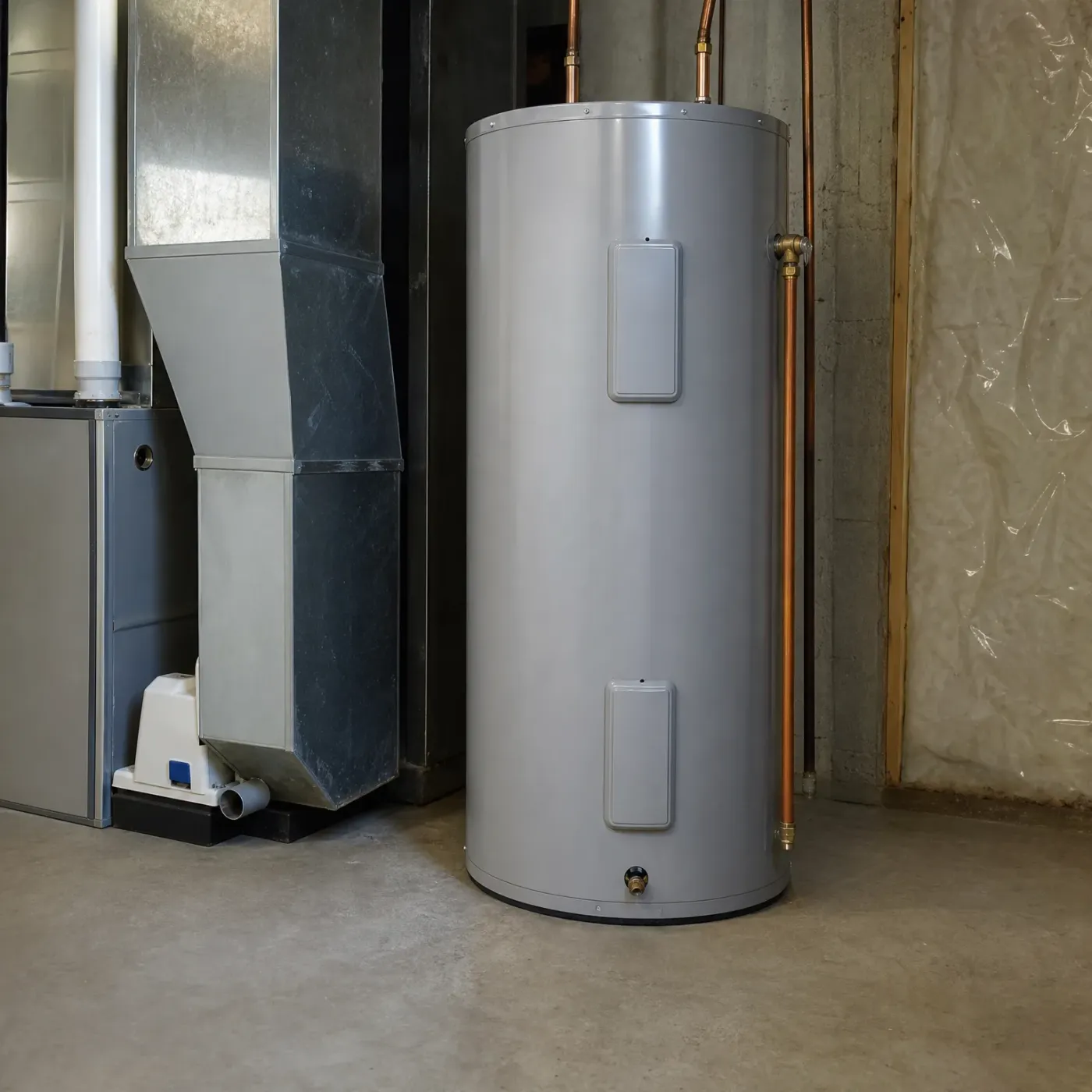
This is what a water heater sounds like with a clean tank. Water moves through the copper lines without a sound from the burner chamber. No layer of sediment sits between the burner and the water, so heat passes straight through and the tank stays quiet.
A tank past due
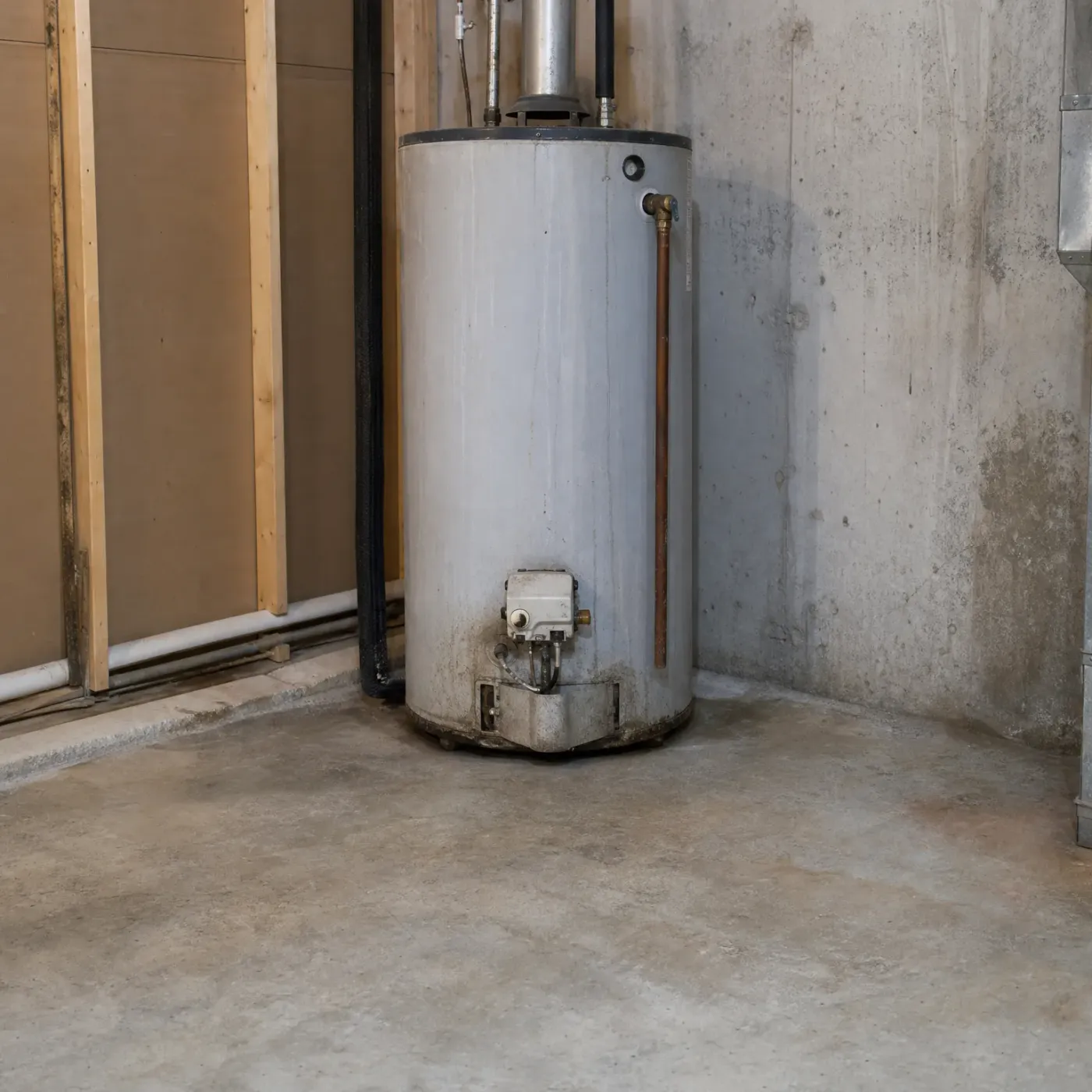
Rust and grime around the base and burner assembly usually mean sediment has been building for a while. That layer traps heat under it, and the popping you hear is steam working its way through. Left alone, it wears on the tank and the burner both.
Ignore It or Get It Checked
Leave it alone
The popping usually doesn't get quieter on its own, since the sediment layer only gets thicker over time.
Gas use for that tank keeps climbing as the burner works harder to heat water through a layer that's in the way.
A thick enough layer can crack the glass lining on the bottom of the tank, which leads to a leak rather than a repair.
In hard-fired spots the sediment can bake onto the bottom so hard a flush won't fully clear it anymore.
The tank still gets hot water to the shower for now, so it's easy to put off looking at it another few months.
Once the lining cracks, you're looking at a new water heater instead of a tank that still had years left in it.
Get it looked at
A flush clears the loose sediment out before it has a chance to harden into a layer that bakes onto the tank bottom.
The burner stops fighting through that layer, so it uses less gas to bring the tank back up to temperature.
A tech checking the tank now can tell you whether the sediment is still loose or already caked on, which changes what's needed.
Catching it early means a flush instead of a drain-and-descale job, or a tank replacement if it's gone too far.
You stop hearing the popping, and that's one less thing to wonder about every time the burner kicks on.
Sending the sediment problem to someone now means you're not the one calling around, explaining the noise twice, and sorting through quotes yourself.
1
Minerals in the water settle to the tank bottom over time
2
That layer hardens into a crust across the tank floor
3
The burner fires underneath and heats through the crust
4
Water trapped under the crust turns to steam
51.6% of homes statewide heat with gas
If your water heater runs on gas, like most homes here, that burner is firing often enough for sediment to build and bake onto the tank bottom fast. That's the crust underneath the popping you're hearing.
ACS 2020-2024 5-year B25040
The popping is sediment, hardened on the bottom of the tank, making the burner heat through it instead of the water. That layer doesn't break down on its own, and the longer it sits, the more it costs to run that tank. A contractor can flush the tank and check what shape the burner and the element are in after working against that crust. You don't have to spend an afternoon finding one. No searching through listings, no calling three or four places to see who answers, no explaining the popping sound over and over until someone can fit you in. Send the form once and the search for a contractor is off your plate. What happens with the tank from there is still a real job, with a real cost, but finding someone to do it stops being something you have to manage yourself.