Tell us about the job
Takes about a minute. No obligation.
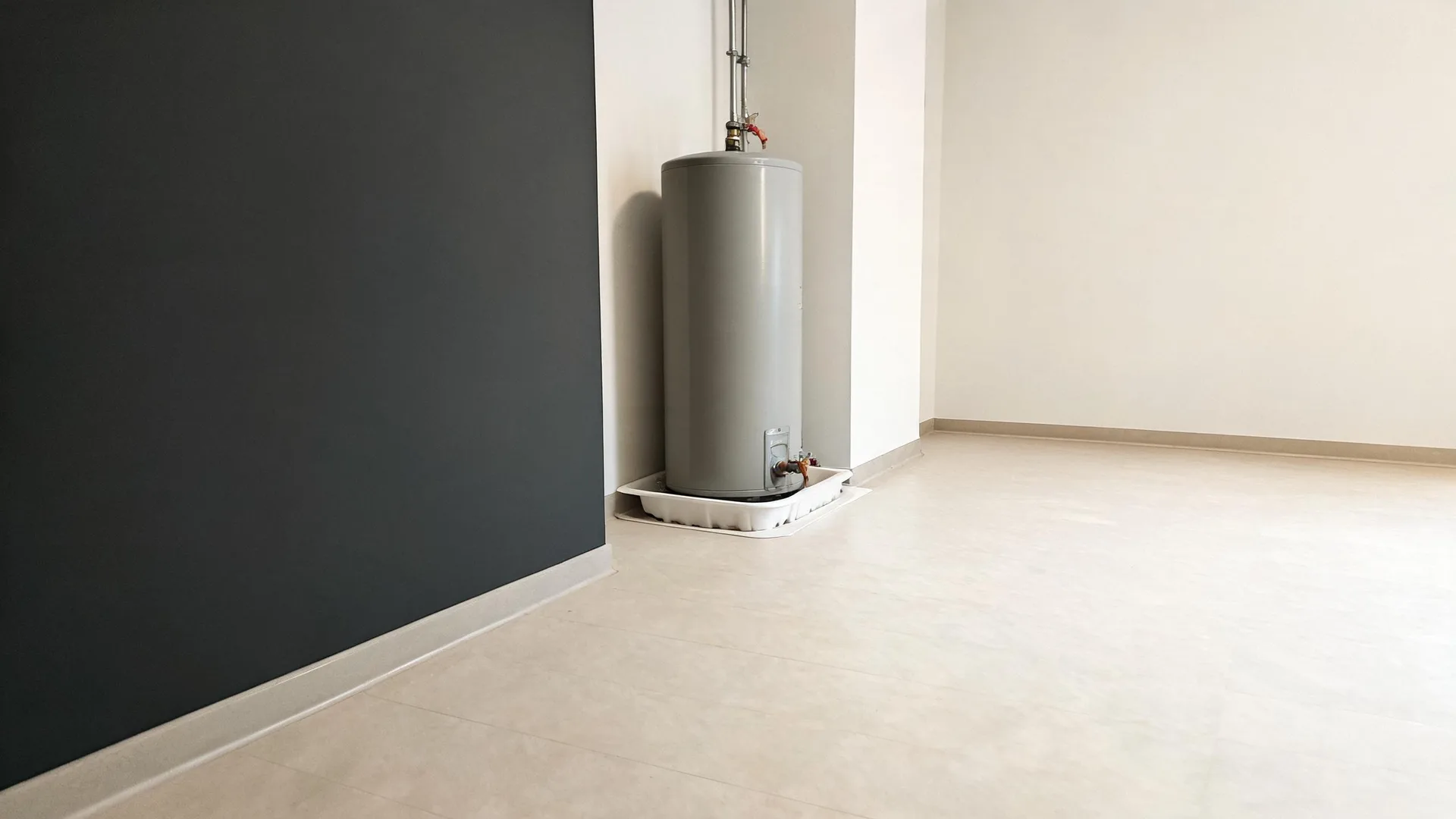
Before a contractor can size a replacement water heater here, they have to confirm what fuel is already running to the house and how the existing unit vents. Utility gas heats more occupied homes in Plymouth County, Massachusetts than any other fuel, at 46.9% (2020-2024 ACS 5-year). That share means gas-fired water heaters are the baseline expectation in this county, and a new installation has to match the venting type, combustion air path, and gas line capacity already in place. A mismatch on any of those points sends the job back to the drawing board after the old unit is already out.
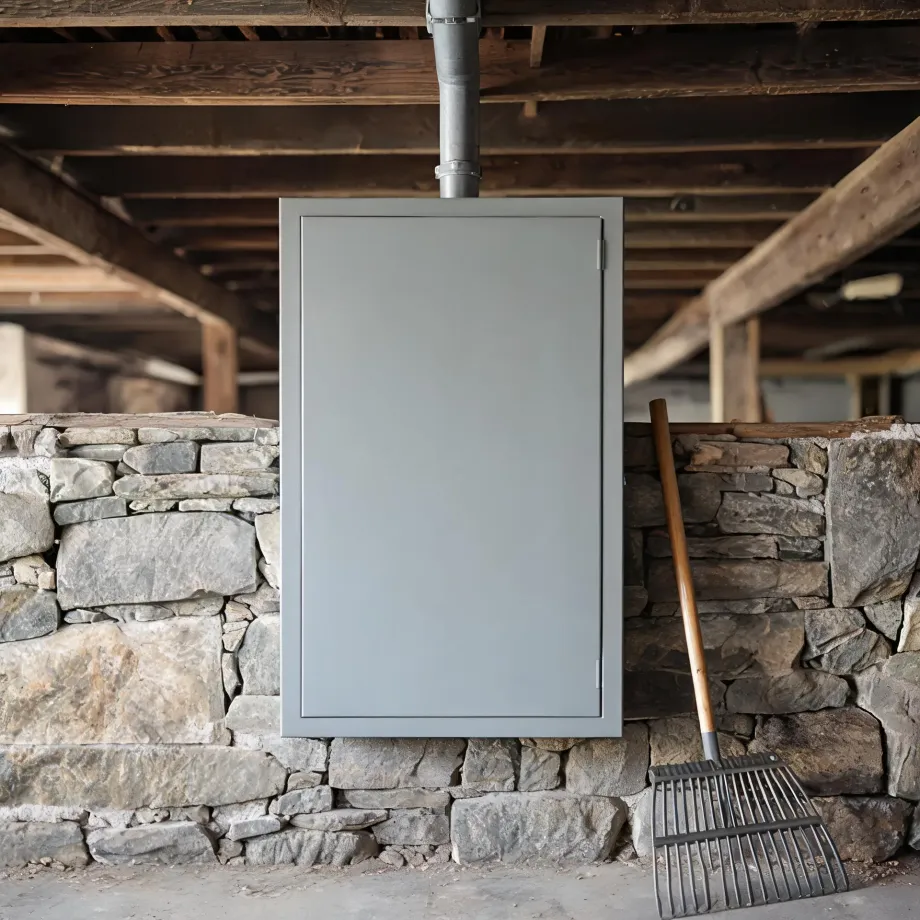
Electrical service panels in houses of this vintage were sized for the loads of that era, and a new water heater, especially a heat pump unit, draws more than what many of those panels were built to handle. Half the homes in Plymouth County, Massachusetts were built in 1971 or earlier (2020-2024 ACS 5-year). A contractor quoting a water heater installation here will open the panel before committing to a unit, because the panel determines what the house can actually run, and an upgrade changes both the scope and the price of the job.
What a Water Heater Installation Covers
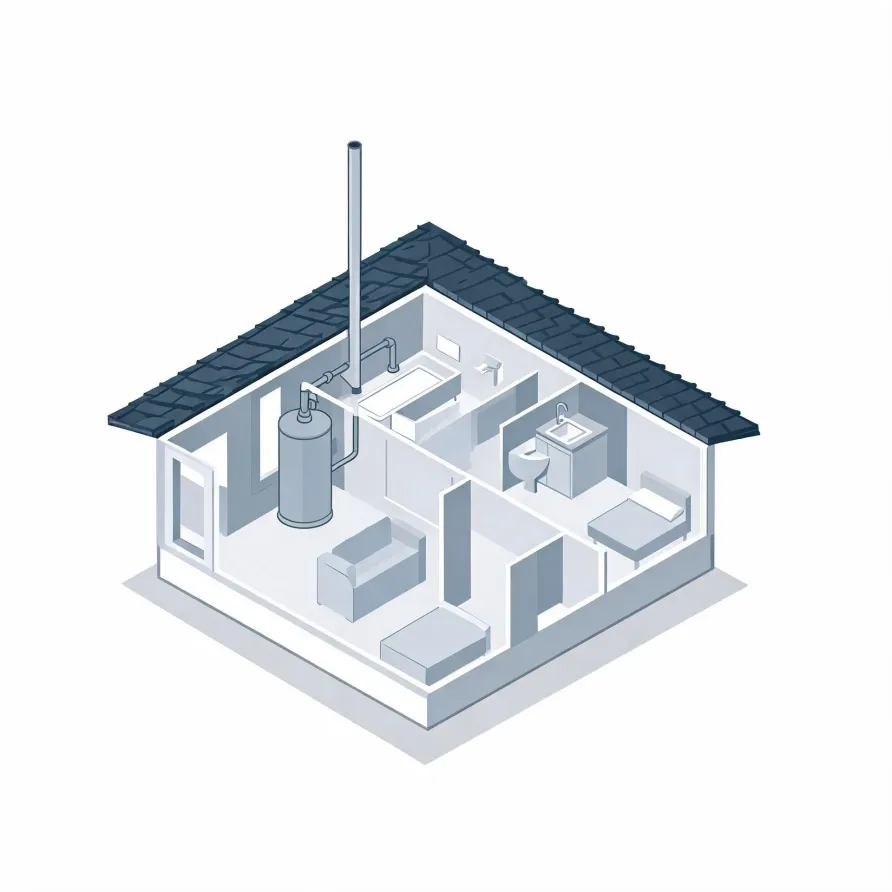
The tank or tankless unit is the piece a homeowner notices first, sitting in a utility room, basement, or closet and holding or heating water on demand. A pressure relief valve mounts directly on the unit and releases if internal pressure climbs too high. Together, these are the core of what a contractor sets in place.
A cold-water supply line feeds into the unit from the home's plumbing, and a hot-water outlet line carries heated water to fixtures throughout the house. A dedicated gas line or electrical connection runs to the unit depending on fuel type, and a flue or venting pipe exits through a wall or roof to carry combustion gases out.
The drawing shows a general layout of these components, and a licensed contractor determines what applies to this particular house.
Find a contractor in Plymouth CountyPlymouth County, by the numbers
449 severe weather events were recorded in Plymouth County, Massachusetts between 2015 and 2024.
NOAA National Centers for Environmental Information, Storm Events Database, bulk CSV export, events 2015-01-01 through 2024-12-31.Half the homes in Plymouth County, Massachusetts were built in 1971 or earlier (2020-2024 ACS 5-year).
U.S. Census Bureau, 2020-2024 American Community Survey 5-Year EstimatesPlymouth County, Massachusetts holds 218,096 housing units (2020-2024 ACS 5-year).
U.S. Census Bureau, 2020-2024 American Community Survey 5-Year EstimatesOwners occupy 77.6% of the occupied homes in Plymouth County, Massachusetts (2020-2024 ACS 5-year).
U.S. Census Bureau, 2020-2024 American Community Survey 5-Year EstimatesSevere Weather Events in Plymouth County
Plymouth County weather puts real demands on water heating equipment. How hard a unit works over its life is partly a local story, and storm activity is one measure of that pressure.
449 severe weather events, 2015–2024. Source: NOAA National Centers for Environmental Information, Storm Events Database.